రచనాపాఠానికి వెళ్ళు

ఈమాట

eemaata: An Electronic Magazine in Telugu for a World without Boundaries
ప్రధానజాబితా
  • ఈమాట గురించి
  • పాఠకుల అభిప్రాయాలు
  • శీర్షికలు
    • కథలు
    • కవితలు
    • పద్యసాహిత్యం
    • వ్యాసాలు
    • సమీక్షలు
    • స్వగతం
    • గడినుడి
    • శబ్దతరంగాలు
    • ముఖాముఖి
  • సూచనలు
    • పాఠకులకు సూచనలు
    • రచయితలకు సూచనలు
  • ఈమాట రచయితలు
  • పాతసంచికలు

హిందూమత చరిత్రలో ప్రత్యామ్నాయ కథనాలకు ఆస్కారం లేదా?

రచన: సురేశ్ కొలిచాల
మార్చి 2014

కో అద్ధా వేద క ఇహ ప్ర వోచత్ కుత ఆజాతా కుత ఇయం విసృష్టిః।
అర్వాగ్ దేవా అస్య విసర్జనేనాఽథా కో వేద యత ఆబభూవ॥

– (నాసదీయ సూక్తం ఋగ్వేదం 10-129-06)

ఈ సృష్టి ఎక్కడినుండి వచ్చిందో, ఎలా సృష్టింపబడిందో ఎవరు చెప్పగలరు? దేవతలు కూడా సృష్టి మొదలయ్యాకే వచ్చిన వారు కదా, మరి ఈ సృష్టి ఎలా మొదలయ్యిందో ఆ ఎరుకగల వారెవ్వరు?

ఇయం విసృష్టిర్యత ఆబభూవ యది వా దధే యది వా న।
యో అస్యాధ్యక్షః పరమే వ్యోమన్ త్సో అంగ వేద యది వా న వేద॥

– (నాసదీయ సూక్తం ఋగ్వేదం 10-129-07)

ఈ సృష్టి ఆ కర్త సంకల్పమే, అవునో, కాదో? అత్యున్నత ఆకాశంలో ఉండి అధివీక్షించే దేవదేవునకు తెలుసునా? ఆయనకు కూడా తెలుసునో తెలియదో!


ఈమధ్య దాకా మా అబ్బాయిలిద్దరూ రాత్రి పూట పడుకునే ముందు కథలు చెప్పమని అడిగేవారు. వంతులవారిగా నేను, మా ఆవిడ కథలు చెప్పేవాళ్ళం. నా వంతు వచ్చినప్పుడు భారత, భాగవత, రామాయణ కథలనే నాకు తోచిన విధంగా చెప్పేవాడిని. మూడు కన్నుల శివుడు హిమాలయాల్లో ఉంటాడని, పాల సముద్రంలో విష్ణువు పాముపై పడుకుంటే, ఆయన నాభి నుండి ఉద్భవించిన కమలంలో ఉండి బ్రహ్మ మనల్నందరినీ సృష్టిస్తాడని అల్లిబిల్లి కథలుగా అల్లి చెబుతుంటే మాపిల్లలు ఊఁ కొడుతూ నిద్రపోయేవారు.

ఏ ప్రాచీన నాగరికతకైనా ఈ రకమైన కథలు, కథనాలు ఉంటాయి. శక్తివంతమైన పౌరాణిక గాథలు (mythology) ఏ జాతికైనా వారి వారసత్వ సంపద. నిజానికి నా దృష్టిలో ‘హిందువు అంటే ఎవరు?’ అన్న ప్రశ్నకు భారత, భాగవత, రామాయణ కథలను తరతరాలుగా చెప్పుకుంటూ వస్తున్న వారంతా హిందువులే. అయితే, ఈ ఇతిహాస, పురాణ కథల ఆధారంగా మన ప్రాచీన చరిత్రను నిర్మించుకోగలమా? అంతేకాక, ఇతర ఆధారాల ద్వారా మనకు తెలిసిన చరిత్రను ఉపయోగించి ఈ కథల్లో నిజానిజాలను, అంతరార్థాలను నిర్ధారించగలమా? ఈ విషయంపై గత 50 సంవత్సరాలుగా పరిశోధనలు చేస్తున్న ఒక శాస్త్రవేత్త చెప్పిన అభిప్రాయాలను ఉటంకించడం ఇక్కడ అసమంజసం కాదనుకుంటాను:

“We have to be careful how we use history and myth to understand one another. In this context I would define a myth as a story that a group of people believe for a long time despite massive evidence that it is not actually true; the spirit of myth is the spirit of Oz: Pay no attention to the man behind the curtain. […] we need to use history to understand myth—that is, we need to understand why such a text was composed and retold many times […] But we cannot use the myth to reconstruct the actual history behind the text; we cannot say that the text is evidence. […] Such myths reveal to us the history of sentiments rather than events; motivations rather than movements.” (W. D. p. 23).

పై మాటలు రాసిన పరిశోధకురాలు మరెవరో కాదు, ప్రస్తుతం వివాదాస్పదమైన అమెరికన్‌ రచయిత్రి వెండీ డానిగర్‌ (Wendy Doniger). ఈ కొటేషన్ పెంగ్విన్-ఇండియా ఉపసంహరించుకున్న The Hindus: An alternative history పుస్తకంలో 23వ పేజీలో నుండి తీసుకున్నదే.
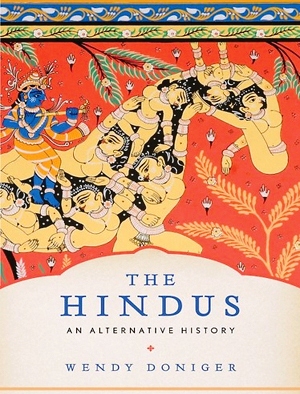
ఈ పుస్తకాన్ని నేను నాలుగేళ్ళ క్రితమే చదివాను. అయితే, హిందూమత చరిత్రను కూలంకషంగా చర్చించిన ఈ పుస్తకంలో కొన్ని విషయాల్లో డానిగర్ అభిప్రాయాలతో నేను పూర్తిగా ఏకీభవించలే(దు)ను. అలాగే, కొన్నిచోట్ల ఆవిడ విశ్లేషించిన తీరుపై నాకు కొన్ని అభ్యంతరాలు ఉన్నాయి. ఆవిడ ఇచ్చిన సమాచారంలో కొండొకచో చిన్న చిన్న పొరపాట్లు కూడా కనిపించాయి. హిందూమతానికి ముఖ్యమైన అంశాలు కొన్నింటిని ఆవిడ స్పృశించకుండా వదిలేయడం వల్ల ఈ పుస్తకంలో కొన్ని చర్చలు అసమగ్రమనిపించాయి.

అయితే, నాకు ఈ పుస్తకంలో హిందువులను అవమానపరిచే అంశాలు గాని, హిందూ మతాన్ని పనిగట్టుకొని కించపరిచే ఉద్దేశం గాని ఏ కోశానా కనిపించలేదు. ప్రతి పేజీలోను ఒక పరిశోధకురాలు తాను ఎన్నుకున్న అంశంపై అన్నీ దృక్కోణాలను విశ్లేషించడానికి, అన్నీ ప్రత్యామ్నాయ కథనాలను వీలైనంతగా చర్చించడానికి పడే తాపత్రయమే కనబడింది. ప్రతి అంశంపై ఇప్పటిదాకా మనకు తెలిసిన సమాచారం అసమగ్రమేనని ఇంకా ఎన్నో పరిశోధనలకు ఆస్కారం ఉందని అడుగడుగునా చెప్పుకునే సత్య శోధనా తత్పరతే కనిపించింది. విదేశీ వనితగా తాను చేసే విశ్లేషణల్లో తనకు తెలియకుండానే ‘పాశ్చాత్య పక్షపాతం’ (western bias) చొరబడే ప్రమాదం ఉందని ఒప్పుకునే నిజాయితీ కనబడింది.

అందుకే, ఈ పుస్తకాన్ని నిషేధించాలని దీనానాథ్ బాత్రా అనబడే వ్యక్తి ‘శిక్షా బచావో ఆందోళన్‌’ అనే సంస్థ ద్వారా కోర్టుకు వెళ్ళాడని విని ఆశ్చర్యపోయాను. అంతే కాక, భారతదేశంలో ఈ పుస్తకాన్ని ప్రచురించిన పెంగ్విన్‌-ఇండియా వారు నాలుగేళ్ళ కోర్టు పోరాటం తరువాత ఆ సంస్థతో కోర్టు వెలుపల సంధి చేసుకొని ఈ పుస్తకాన్ని మార్కెట్‌ నుంచి ఉపసంహరించుకోవాలని, మిగిలిన ప్రతులను తగులబెట్టాలని నిర్ణయించిందని విని మరింత విస్తుపోయాను.

ఎవరీ వెండీ డానిగర్?

వెండీ డానిగర్ (Wendy Doniger) అమెరికాలో భారతీయ శాస్త్రాన్ని గత 50యేళ్ళుగా అధ్యయనం చేస్తున్న ప్రొఫెసర్. ఈమె న్యూయార్క్ నగరంలో యూదుల కుటుంబాన 1940లో జన్మించింది. ఆ రోజుల్లో ఈవిడ తండ్రి లెస్టర్ డానిగర్ ఒక ప్రచురణ సంస్థను నడిపేవాడు. వెండీ డానిగర్ ‘సంస్కృతము, భారతీయ విద్య’ అన్న అంశాలపై రాడ్‌క్లిఫ్ కాలేజీలో బి. ఏ. చేసి, అదే అంశంపై హార్వర్డ్ యూనివర్సిటీ నుండి 1963లో ఏం.ఏ.; ఆపై 1963-64లలో ఇండియాలో గడపి, 1968లో హార్వర్డ్ నుండే ‘Asceticism and Sexuality in the Mythology of Siva’ అన్న అంశంపై పిఎచ్. డి.; తరువాత నాలుగేళ్ళు ఇంగ్లాండ్ లోని ఆక్స్‌ఫర్డ్ యూనివర్సిటీలో, The Origins of Heresy in Hindu Mythology అన్న అంశంపై పనిచేసి 1973లో డి. ఫిల్. పట్టాలు పుచ్చుకున్నారు.

ప్రస్తుతం యూనివర్సిటీ ఆఫ్ షికాగోలో హిస్టరీ ఆఫ్ రెలిజియన్స్ విభాగంలో, విశిష్టాధ్యాపకురాలిగా పనిచేస్తున్న వెండీ డానిగర్ హిందూ మతంపై ఎన్నో పుస్తకాలు, అనువాదాలు రాశారు. 1975లో సంస్కృతంలోని శివపురాణపు కథలకు అనువాదాన్ని, 1981లో ఋగ్వేదంలో 108 సూక్తాలకు, 1991లో మనుధర్మశాస్త్రానికి, 2002లో వాత్సాయన కామసూత్రానికి, 2006లో హర్షుని ప్రియదర్శిక, రత్నావళి కావ్యాలకు — అనువాదాలు ప్రచురించారు. మొదట్లో ఫ్రాయిడ్ సిద్ధాంతాలను ఆధారం చేసుకొని హిందూమతాన్ని, పురాణాలను విశ్లేషణ చేసిన ఈమె, ఆపై హిందూ పౌరాణిక గాథలపై మత, తత్త్వ, తాంత్రిక విషయాలను విస్తృతంగా చర్చిస్తూ 16 పుస్తకాలు వెలువరించారు. వీటిలో ప్రముఖమైనవి:

  • The Implied Spider: Politics and Theology in Myth. The 1996–1997 ACLS/AAR Lectures. New York: Columbia University Press, 1998,
  • Splitting the Difference: Gender and Myth in Ancient Greece and India. The 1996 Jordan Lectures. Chicago and London: University of London Press and University of Chicago Press, 1999.
  • The Bedtrick: Tales of Sex and Masquerade. Chicago: University of Chicago Press, 2000.
  • La Trappola della Giumenta. Trans. Vincenzo Vergiani. Milan: Adelphi Edizione, 2003.
  • The Woman Who Pretended to Be Who She Was. New York: Oxford University Press, 2005.
  • The Hindus: An Alternative History. New York: Penguin Press, 2009.
  • On Hinduism, Oxford University Press, 2013.

ఇవేకాక, ఎన్నో పుస్తకాలకు పరిష్కర్తగా పనిచేసిన డానిగర్, ప్రతిష్ఠాత్మకమైన జర్నళ్ళలో వందలకొద్ది పరిశోధన వ్యాసాలు ప్రచురించారు. ప్రస్తుతం ఆవిడ సంపాదకురాలిగా, ఒక రచయితగా Norton anthology of primary Hindu writings అన్న పుస్తకంపై పని చేస్తున్నారు. నవంబర్ 2014లో మార్కెట్లో లభ్యమయ్యే ఈ పుస్తకంపై మరింత దుమారం చెలరేగే అవకాశం ఉంది.

దీనానాథ్‌ బాత్రా ఎవరు?

హిందీ, ఇంగ్లీష్ టీచరుగా, ఆపై ప్రిన్సిపల్‌గా పనిచేసి పదవీవిరమణ తీసుకున్న దీనానాథ్‌ బాత్రా, భారతీయ విద్యా బోధనలో దుష్ట పాశ్చాత్య ప్రభావాన్ని ఎదురుకోవడానికి ‘శిక్షా బచావో ఆందోళన్‌’ పేరిట ఒక సంస్థను నిర్వహిస్తున్నారు. ప్రస్తుత పాకిస్తానులో భాగమైన పంజాబ్ ప్రాంతంలో జన్మించిన ఈయన, స్వాతంత్ర్యం తరువాత కుటుంబంతో సహా భారతదేశానికి తరలివచ్చారు. ఇప్పటికీ ఆయన పాకిస్తాన్ లోని చిన్ననాటి ఊరు, బడి, దేవాలయము గుర్తు చేసుకుంటూ ఉంటారు.

‘వసుధైక కుటుంబకమ్’, ‘ఏకం సత్ విప్రా బహుదా వదంతి,’ వంటి ఘనమైన సందేశాలను ప్రపంచానికి అందజేసిన హిందూమతానికి ప్రపంచంలో సరైన గుర్తింపు రాకపోవడానికి పాశ్చాత్య పండితులే కారణం అని ప్రబలంగా నమ్మే బాత్రా గత 10 సంవత్సరాలలో ఎంతోమంది రచయితలను, పుస్తక ప్రచురణ సంస్థలను కోర్టుకు తీసుకెళ్ళారు.

అంతకు ముందు, భారతీయ జనతా పార్టీ ప్రభుత్వం నడుపుతున్న రోజుల్లో మానవ వనరుల శాఖ మంత్రి అయిన మురళీ మనోహర్ జోషి ఆధ్వర్యంలో నడిచే ‘విద్యాభారతి అఖిల భారతీయ విద్యా సంస్థాన్’ అనే సంస్థకు బాత్రా జనరల్ సెక్రటరిగా పనిచేశారు. ఆ రోజుల్లో, ఆ సంస్థ ద్వారా కేంద్రీయ విద్యాలయాలకు పుస్తకాలు అందజేసే NCERT పాఠ్యాంశాలలో 100కు పైగా వివాదాస్పదమైన మార్పులను బాత్రా ప్రవేశపెట్టారు.

2008లో రామానుజన్ రాసిన ‘మూడు వందల రామాయణాలు‘ వ్యాసాన్ని డిల్లీ యూనివర్సిటీ హిస్టరీ సిలబస్ నుండి తొలగించడానికి హైకోర్టును ఆశ్రయించిన వారిలో బాత్రా ప్రముఖుడు. కోర్టు నియోగించిన కమిటీ రామానుజన్ వ్యాసం సిలబస్‌లో ఉండాల్సిందేనని తీర్పు చెప్పింది. ఆ రోజుల్లో డిల్లీ యూనివర్సిటీలో హింసాకాండ, అల్లర్లు చెలరేగడమే కాకుండా, అక్కడి ప్రొఫెసర్లకు బెదిరింపు ఉత్తరాలు, ఫోన్‌కాల్స్ వచ్చేవి (ప్రొఫెసర్ ఉపేందర్ సింగ్ ఒక పత్రికకు ఇచ్చిన ఇంటర్వ్యూలో చెప్పిన విషయం.) యూనివర్సిటీ వారు 2011లో ఆ వ్యాసాన్ని తొలగించడానికే నిర్ణయించుకున్నారు.

అంతేకాక, ది హిందూ పబ్లిషర్ అయిన ఎన్. రామ్ ఫ్రంట్‌లైన్ పత్రికలో ‘శాఫ్రాన్ టెర్రర్‘ అన్న శీర్షికతో వ్యాసాన్ని ప్రచురించినందుకు బాత్రా ఆయనకు లీగల్ నోటిసులను పంపించారు. కేంద్రీయ పుస్తకాలలో 75 పంక్తులు అభ్యంతరకరమైనవిగా ఉన్నాయని NCERTకి వ్యతిరేకంగా 10 వేర్వేరు కోర్టు కేసులు కూడా వేశారు.

హిందువుల మనోభావాలు దెబ్బతీసే విధంగా ఉన్న వెండీ డానిగర్ పుస్తకాన్ని నిషేధించాలని గత నాలుగేళ్ళుగా కోర్టులో పోరాటం చేసిన బాత్రా, పెంగ్విన్ నిర్ణయం సంతృప్తి నిచ్చిందని ఇకపై డానిగర్ రాసిన On Hinduism వంటి ఇతర పుస్తకాలపై దృష్టి సారిస్తానని చెబుతున్నారు. 84యేళ్ళ వయస్సులో కూడా అలుపెరుగక పనిచేసే ఈయన, రాజకీయాల్లో రాబోయే మార్పుల దృష్ట్యా భారతదేశానికి, భారతీయతకు మంచి రోజులు రాబోతున్నాయని ఉత్సాహంగా చెబుతున్నారు.


ప్రజాస్వామ్యంలో భావప్రకటనా స్వేచ్ఛ

“I disapprove of what you say, but I will defend to the death your right to say it.”

– (attributed to Voltaire.)

ఎన్నో ఆధునిక ప్రజాస్వామిక రాజ్యాంగాలలో వాక్-స్వాతంత్ర్యం ప్రాథమిక హక్కుగా పేర్కొనబడింది. అయితే, ఈ వాక్-స్వాతంత్ర్యానికి ఎంతవరకూ హద్దులు ఉండాలి అన్న విషయంలో వివిధ దేశాల్లో వేర్వేరు అభిప్రాయాలు ఉన్నాయి. వాక్-స్వాతంత్ర్యానికి ఏ రకమైన హద్దులు ఉండకూడదా? వాక్-స్వాతంత్ర్యం ప్రజల మనోభావాలు రెచ్చగొట్టే విధంగా ఉన్నప్పుడు, విద్వేషాలను, హింసను ప్రేరేపించినప్పుడు, ఆ స్వాతంత్ర్యాన్ని అరికట్టాల్సిన అవసరం లేదా? అన్న ప్రశ్నలకు సమాధానం వెతికే ముందు వాక్-స్వాతంత్ర్యానికి సంబంధించిన చరిత్రను పరిశీలిద్దాం.

ప్రపంచంలో మొట్టమొదటి ప్రజాస్వామ్యంగా పేరొందిన గ్రీక్ నగరం ఏథెన్స్‌లో క్రీ.పూ. 470లో జన్మించిన సోక్రటీస్ (Socrates) సత్యము, నీతి వంటి అంశాలు సాపేక్షమని, సంక్లిష్టమైనవని, ఒకరికి నీతిగా కనిపించేది మరొకరికి అవినీతి అవుతుందని లోతైన తాత్విక చర్చలు చేసేవాడు. తత్త్వశాస్త్రం పేరిట యువతను అవినీతికి పురికొల్పుతున్నాడన్న నేరారోపణతో ఆయనకు మరణశిక్ష విధించింది ఆ మొట్టమొదటి ప్రజాస్వామిక నగరం. ప్రజలు విధించిన శిక్షను సంతోషంగా స్వీకరించి విషపానీయాన్ని తాగి మరణించాడు సోక్రటీస్.

తన బోధనలతో యువతను పెడదారి పట్టిస్తున్నాడనే నేరం మోపి ఏసుక్రీస్తును శిలువపైకి ఎక్కించి చంపించింది రోమను ప్రభుత్వం.

గలీలియో (Galilio Galieli) 1610లో తను చేసిన ఖగోళ పరిశోధనల సారాంశాన్ని Sidereus Nuncius అన్న పుస్తకంగా ప్రచురించాడు. ఇందులో, చంద్రునిపై కొండల గురించి, శుక్రగ్రహం యొక్క కక్ష్య గురించి, గురుగ్రహానికి ఉన్న ఉపగ్రహాల గురించి, సూర్యునిపై కనిపించే మచ్చల గురించే కాక, గ్రహాలు భూమి చుట్టూ కాక సూర్యుని చుట్టూ తిరుగుతున్నాయన్న ప్రతిపాదన కూడా ఉంది. భూమి చుట్టూ అన్నీ గ్రహాలు తిరుగుతున్నాయని నమ్మే క్రిస్టియన్ మతస్థులకు ఇది చెంపపెట్టుగా తోచింది. బైబిల్ లోని సూత్రాలను ధిక్కరించే ఈ ప్రతిపాదనలు క్రిస్టియన్ల మనోభావాలు దెబ్బతీస్తున్నాయని, అందుకే ఆ పుస్తకాన్ని నిషేధించాలని రోమన్ చర్చ్ 1615లో నిర్ణయించింది. ఈ నిర్ణయానికి ప్రతిగా గలీలియో తన సిద్ధాంతాలను సమర్థించుకుంటూ Dialogue Concerning the Two Chief World Systems అనే పుస్తకం రాశాడు. ఈ పుస్తకం పోపును సూటిగా విమర్శిస్తున్నట్టుగా, క్రిస్టియన్ మతానికి తిరుగుబాటుగా భావించి రోమన్ చర్చ్ గలీలియోకు జీవిత ఖైదును శిక్షగా విధించింది.

మిగిలిన మతాలతో పోలిస్తే, ఈ రకమైన మతమౌఢ్యం భారతదేశంలో ఇంతకు మునుపు లేదు. సిద్ధాంత చర్చలు, వాదవివాదాలతో భారతీయ తాత్వికత చరిత్ర అంతా నిండి ఉంది. నాసదీయ సూక్తంలో దేవుడి జ్ఞానాన్నే ప్రశ్నించే తాత్విక చింతన భారతీయ దర్శనాల్లో మొదటినుంచి కనిపిస్తుంది. ఉపనిషత్తుల్లో ఎన్నో సంవాద వివాదాలు కనిపిస్తాయి. వేదాలను నిరసించే వ్యాఖ్యలు ఉపనిషత్తులోను, ఇతిహాస, పురాణాలలోను కనిపిస్తాయి. వైదికమతానికి ఆవల ఉన్న బుద్ధ, జైన, అజీవక, చార్వాక మతాలు కూడా సంఘాలను, ఆరామాలను ఏర్పరచి సిద్ధాంత చర్చలు బాహాటంగా చేసేవారని మనకు తెలుసు. శంకరాచార్యులు, రామానుజాచార్యులు మొదలైనవారు కూడా ఎన్నో రోజులు వాదవివాదాల్లో పాల్గొని తమ సిద్ధాంతాలని నిరూపించుకునేవారు. మామూలు ప్రజానీకం కూడా ఇతర మతాల పట్ల సహనంతో మెలిగేవారనే అనుకోవాలి. వెండీ డానిగర్ మాటల్లో చెప్పాలంటే:

“This open-mindedness was supported by the tendency of Hindus to be more orthoprax than orthodox. That is, most Hindus have not cared about straight opinions (ortho-doxy) nearly so much as they care about straight behavior (ortho-praxy). Although there is a very wide variety of codes of action, each community has a pretty clear sense of what should and shouldn’t be done, and some things were Simply Not Done.[…] but no one was impaled (the Hindu equivalent of burning at the stake) for saying that god was like this rather than like that. Each sect acknowledged the existence of gods other than their god(s), suitable for others to worship, though they might not care to worship them themselves.” [“The Hindus”, Doniger 2009, p. 46]

ఇక, వాక్-స్వాతంత్ర్య విషయానికి వస్తే, ఆధునిక ప్రజాస్వామ్యానికి మూలస్తంభాలలో ఒకరుగా భావించే జాన్ స్టూవర్ట్ మిల్ (John Stuart Mill) అన్న తత్త్వవేత్త ఇతరులను దెబ్బతీసే ‘క్రియ’ (action) శిక్షార్హమైనదే అయినా, ఇతరుల మనోభావాలు దెబ్బతీసే ‘అభిప్రాయం’ (opinion) శిక్షార్హం కాకూడదని అంటాడు. అయితే, ఆయన దృష్టిలో ఇటువంటి అభిప్రాయ వ్యక్తీకరణ కూడా కొన్ని అరుదైన సమయాల్లో శిక్షార్హం కావచ్చు. ఒక అభిప్రాయం ప్రత్యక్ష్య హింసను ప్రేరేపించేదయితే మాత్రమే దాన్ని చట్టరీత్యా నేరంగా నిర్ణయించడం సబబని ఆయన అభిప్రాయం.

“No one pretends that actions should be as free as opinions. On the contrary, even opinions lose their immunity, when the circumstances in which they are expressed are such as to constitute their expression a positive instigation to some mischievous act. An opinion that corn-dealers are starvers of the poor, or that private property is robbery, ought to be unmolested when simply circulated through the press, but may justly incur punishment when delivered orally to an excited mob assembled before the house of a corn-dealer, or when handed about among the same mob in the form of a placard. Acts, of whatever kind, which, without justifiable cause, do harm to others, may be, and in the more important cases absolutely require to be, controlled by the unfavorable sentiments, and, when needful, by the active interference of mankind. The liberty of the individual must be thus far limited; he must not make himself a nuisance to other people.[On Liberty, Mill, p. 101]”

అమెరికా రాజ్యాంగానికి తొట్టతొలి సవరణగా డిసంబర్ 15, 1791 నాడు ప్రకటించిన భావ ప్రకటనా స్వేచ్ఛ (Freedom of speech) అత్యంత ప్రాముఖ్యాన్ని సంతరించుకున్నది. First Amendment Right అంటూ అమెరికన్లు గర్వంగా చెప్పుకొనే ఈ రాజ్యాంగ సవరణ, అమెరికా దేశంలో ఎదుటివారికి ప్రత్యక్షంగా హాని కలిగించనంతవరకూ ఏ రకమైన అభిప్రాయాన్నైనా ప్రకటించే హక్కును కల్పిస్తుంది.

ఈ మొదటి రాజ్యాంగ సవరణ హక్కు వల్ల అమెరికాలో పుస్తక నిషేధాలు చాలా అరుదుగా జరిగాయి. అమెరికాలో బానిసల బ్రతుకులను బాహాటంగా వర్ణించిన హారియట్ బీచర్ స్టోవ్ (Harriet Beecher Stowe) రాసిన Uncle Tom’s Cabin పుస్తకంపై చాలామంది కన్నెర్రజేశారు. స్టోవ్ రాసిన విషయాల్లో అసత్యాలు, అభూత కల్పనలు ఉన్నాయని, దక్షిణ అమెరికా ఎప్పుడు దర్శించని స్టోవ్ ఇక్కడి బానిసల గురించి రాయడం హాస్యాస్పదమని విమర్శలు గుప్పించారు. ఈ పుస్తకం అమ్మే దుకాణాలపై దాడులు, బెదిరింపులు కూడా జరిగాయి. అయినా, ఆ పుస్తకం నిషేధానికి గురికాలేదు.

అలాగే, The Scarlet Letter – Nathaniel Hawthorne, 1850; Leaves of Grass – Walt Whitman, 1855; The Adventures of Huckleberry Finn – Mark Twain, 1884; The Call of the Wild – Jack London, 1903; The Great Gatsby – F. Scott Fitzgerald, 1925; Gone With the Wind – Margaret Mitchell, 1936; For Whom the Bell Tolls – Ernest Hemingway, 1940; The Catcher in the Rye – J.D. Salinger, 1951; Fahrenheit 451 – Ray Bradbury, 1953; Catch-22 – Joseph Heller, 1961; The Autobiography of Malcolm X – Malcolm X and Alex Haley, 1965; Beloved – Toni Morrison, 1987, మొదలైన పుస్తకాలు ఎంతో వివాదాస్పదమయ్యాయి కానీ, ప్రభుత్వం ద్వారా నిషేధానికి నోచుకోలేదు.

అలాగే, క్రిస్టియన్ మతాన్ని విమర్శిస్తూ, అందులోని ప్రత్యామ్నాయ కథనాలను వివరిస్తూ వందలకొద్ది పుస్తకాలు, వేలకొలది పరిశోధక వ్యాసాలు వచ్చాయి. ఈ పుస్తకాలపై మతానుయాయులు ఎంతగా విరుచుకుపడ్డా ఆ పుస్తకాలు మాత్రం అమెరికా దేశంలో నిషేధానికి గురి కాలేదు.

చివరకు అమెరికన్ జాతీయ పతాకాన్ని కాల్చివేయడం కూడా ‘భావప్రకటన స్వేచ్ఛ’లో భాగమేనని 1969లోనూ, 1989లోనూ అమెరికన్ న్యాయస్థానాలు తీర్పు ఇచ్చి, అమెరికా జాతీయ జెండాను కాల్చినందుకు అరెస్టు అయిన వారిని నిర్దోషులుగా విడుదల చేశాయి.

భారతీయ శిక్షాస్మృతిలోని 295ఎ సెక్షన్ చరిత్ర

విచిత్రమేమిటంటే, భారతదేశం గురించి ఇప్పుడు పాశ్చాత్యుల కథనాలను నిషేధించడానికి భారతీయ శిక్షాస్మృతిలో తరచుగా ఉపయోగించే 295ఏ సెక్షనును మొదటగా ప్రవేశపెట్టింది బ్రిటిష్‌వారు. 1927లో పంజాబులో రాజపాల్ అనే వ్యక్తి ‘రంగీలా రసూల్‘ అంటూ మహమ్మద్ ప్రవక్త శృంగార కలాపాలను వర్ణించే చిన్న పుస్తకాన్ని రచయిత పేరులేకుండా ప్రచురించాడు. అప్పటికే పంజాబులో హిందూ-ముస్లిములమధ్య గొడవలతో శాంతిభద్రతలు కొరవడిన సమయంలో ఈ పుస్తకం మరింత అలజడిని రేపింది. 153ఎ సెక్షన్ ప్రకారం ప్రచురణకర్త రాజపాల్ పై చర్య తీసుకోవాలని కొంతమంది ముస్లిములు కోర్టుకు వెళ్ళారు. జస్టిస్ దిలీప్ సింగ్ సెక్షన్ 153ఎ ప్రకారం ఇప్పటికే మరణించిన వ్యక్తి గురించి రాయడం నేరం కాదని, రాజపాల్ నిర్దోషి అని నిర్ణయించాడు. అయితే, అదే తీర్పులో మతపరమైన ఉద్రేకాలను రెచ్చగొట్టే అభిప్రాయాలు, పుస్తకాలు, కరపత్రాలు శిక్షార్హం చేయడానికి సెక్షన్ 295కు సరికొత్త క్లాజును జతచెయ్యాలని సూచన కూడా చేశారు. ఈ నిర్ణయం వెలువడిన తరువాత లాహోర్‌లో అల్లర్లు చెలరేగాయి. ఈ పుస్తకాన్ని ప్రచురించిన రాజపాల్ 1929లో హత్య చేయబడ్డాడు. దాంతో బ్రిటిష్ ప్రభుత్వం ఈ విషయాన్ని పునఃసమీక్షించాలని ఒక కమిటీని ఏర్పాటు చేసింది. ఈ కమిటీ జస్టిస్ దిలీప్ సింగ్ చేసిన సూచన ప్రకారమే సెక్షన్ 295కు సరికొత్త క్లాజును జతచేయమని సిఫారసు చేసింది.

అయితే, ఈ కమిటీ సభ్యులలో ఒకరైన జిన్నా (M. Ali Jinnah), సెక్షన్ 295ఎ చట్టం మతపరమైన దాడులను ప్రత్యక్షంగా రెచ్చగొట్టే అభిప్రాయాలకే తప్ప ఈ చట్టం చారిత్రక దృక్పథాలను పరిశీలించేవారి పట్ల, మతాన్ని పరిశోధించే వారి పట్ల వర్తింపజేయ కూడదని అభిప్రాయపడ్డాడు. జిన్నా చెప్పిన వాక్యాలు:

[…] 295(A) should apply only to genuine cases of deliberate and malicious intent and “the fundamental principle that those who are engaged in historical works, those who are engaged in the ascertainment of truth and those who are engaged in bonafide and honest criticisms of a religion shall be protected.”

అయితే, బ్రిటిస్‌వారి పాలనలోనూ, ఆ తరువాతి కాలంలోనూ పై సూచనను పెడచెవిన పెట్టి 295ఎ సెక్షన్ ఆధారంగా ఎన్నో పుస్తకాలను నిషేధించారు. 1932లో రశీద్ జహాన్ (Rashid Jahan) రచించిన అంగారే అన్న పుస్తకంలో కథలు ఇస్లాం మతగురువులను కించపరిచే విధంగా ఉన్నాయని ఆ పుస్తకాన్ని నిషేధించారు. 1934లో వైలీ (Max Wylie) రాసిన Hindu Heaven; 1937లో ఆర్థర్ మైల్స్ (Arthur Miles) రాసిన The Land of the Lingam, అన్న పుస్తకాలు హిందూ మతస్థుల మనోభావాలు దెబ్బతీస్తున్నాయని నిషేధానికి గురి అయ్యాయి.

స్వతంత్ర భారతంలో కూడా ఇదే విధమైన నిషేధాలు కొనసాగాయి. 1954లో ఆబ్రే మీనన్ (Aubrey Menen) రామాయణ కథను వ్యంగ్యంగా చిత్రిస్తూ రాసిన Rama Retold అన్న పుస్తకం నిషేధానికి గురైనది. 1983లో సేమోర్ హర్ష్ (seymour Hersh) రాసిన The Price of Power అన్న పుస్తకంలో మొరార్జీ దేశాయి సి.ఐ.ఏ. ఏజెంటుగా పనిచేశాడన్న కథనం రాసి ఉన్న కారణంగా ఈ పుస్తకం అమ్మకాలను పరువు నష్టం దావా కింద బాంబే హైకోర్టు నిలిపివేసింది.

1988లో సల్మాన్ రూష్దీ రాసిన The Satanic Versesని ఇదే సెక్షన్ ఉపయోగించి భారత ప్రభుత్వం నిషేధించింది. ఈ పుస్తకాన్ని నిషేధించిన మొట్టమొదటి దేశం భారతదేశమే. 1995లో రూష్దీదే మరో రచన, The Moors Last Sighలో బాల్ థాకరేతో సహా పలు రాజకీయ నాయకులను వ్యంగ్యంగా చిత్రీకరించినందుకుగానూ భారత ప్రభుత్వం ఆ నవలను కూడా నిషేధించింది.


అయితే, గత 20 సంవత్సరాల్లో ఈ సెక్షనును ఉపయోగించి ఎన్నో పరిశోధనాత్మకమైన పుస్తకాలను హిందుత్వవాదులు విజయవంతంగా నిషేధింపజేయగలిగారు. శివాజీపై చారిత్రాత్మకంగా పరిశోధిస్తూ జేమ్స్ లేన్ (James Laine) రాసిన Shivaji: Hindu King in Islamic India (2003) అన్న పుస్తకంలో శివాజీ జననం గురించి రాసిన కథనంపై పెద్ద దుమారం చెలరేగింది. శివసేనకు చెందిన కొంతమంది అల్లరిమూకలు పూణేలో ఆయన పని చేసిన భండార్కర్ ఓరియంటల్ రిసర్చ్ ఇన్స్టిట్యూట్ (BORI) సంస్థపై దాడి చేశారు. ఈ దాడిలో కొన్ని విలువైన తాళపత్ర గ్రంథాలు కూడా నాశనమయ్యాయి. శంభాజీ బ్రిగేడ్ అనే మరో సంస్థకు చెందిన కొందరు ఆయనకు సహాయం చేసిన సంస్కృత పండితులపై దాడి చేశారు. ఈ పుస్తకాన్ని 2004లో మహారాష్ట్ర ప్రభుత్వం నిషేధించింది. 2010లో భారత సుప్రీంకోర్టు ఈ నిషేధాన్ని తొలగించింది.

2003లో ద్విజేంద్ర ఝా (Dwijendra NarayaN Jha) రాసిన The Myth of the Holy Cow పెద్ద సంచలనాన్ని రేపింది. వైదిక బ్రాహ్మణులు ఆవుమాంసం తినేవారని ఆధారాలతో నిరూపించిన ఈ పుస్తకాన్ని హైదరాబాద్ సివిల్ కోర్టు నిషేధించింది. 2006లో ప్రముఖ భారతీయ క్రికెటర్ రవిశాస్త్రి oka ATapai ప్రత్యక్ష్య వ్యాఖ్యానం చేస్తూ తను బ్రాహ్మణుడే అయినా, తనకు బిల్‌తాంగ్ అన్న వంటకం చాలా ఇష్టమని చెప్పుకున్నాడు. బిల్‌తాంగ్ ఆవు మాంసంతో చేస్తారు కాబట్టి ఈ వ్యాఖ్యలు హిందువుల మనోభావాలు దెబ్బతీశాయని ఇదే సెక్షన్ కింద ఆయనపై కోర్టులో కేసు వేశారు.

మరో హాస్యాస్పదమైన సంఘటన 2012లో జరిగింది. బాల్ థాకరే (Bal Thackeray) మరణించిన సందర్భంగా ముంబైలో బంద్ నిర్వహిస్తే షాహీన్ దాడా అనే 21-సంవత్సరాల అమ్మాయి “People like Thackeray are born and die daily and one should not observe a ‘bandh’ for that.” అని తన ఫేస్‌బుక్ పేజీ పై రాసుకుంది. దాన్ని రీనూ శ్రీనివాసన్ అనే మిత్రురాలు ‘లైక్’ చేసింది. వారి వ్యాఖ్యలు థాకరే అభిమానుల మనోభావాలు రెచ్చగొట్టే విధంగా ఉన్నాయని పాలఘర్ పోలీసులు ఆ ఇద్దరినీ 295ఎ సెక్షన్ కిందే అరెస్ట్ చేశారు. ఇది జరిగిన రెండు రోజులకు షాహీన్ వాళ్ళ మామయ్య ఆస్పత్రిపై శివసేనకు చెందిన కొంతమంది వ్యక్తులు దాడి చేశారు. ఆ తరువాత వారి అరెస్టు చెల్లదని కోర్టు నిర్ధారించి వారిపై కేసు ఎత్తివేసింది.

బాత్రా అభియోగాలు, నిజానిజాలు

వెండీ డానిగర్ పుస్తకం హిందువుల మనోభావాలను దెబ్బతీసే విధంగా ఉన్నాయని బాత్రా కోర్టులో వేసిన దావాలో మొత్తంగా 47 అభియోగాలు ఉన్నాయి. హిందూమత మూల గ్రంథాలను చదివిన వారికి, డానిగర్ పుస్తకం క్షుణ్ణంగా పరిశీలించిన వారికి ఈ అభియోగాలు చాలా వరకూ నవ్వు తెప్పిస్తాయి. ఈ అభియోగాలన్నింటికి వరుసబెట్టి జవాబు ఇవ్వడం నా ఉద్దేశ్యం కాదు కానీ, అందులో ప్రధానమైనవి కొన్నింటిని పరిశీలిస్తాను. బాత్రా పంపిన లీగల్ నోటిస్ పూర్తి పాఠం outlook పత్రిక సైటులో చూడవచ్చు.

[బాత్రా] 5. That after reading the said book my client is of the opinion my client states that the aforesaid book is written with a Christian Missionary Zeal and hidden agenda to denigrate Hindus and show their religion in poor light.

వెండీ డానిగర్ క్రిస్టియన్ మతస్థురాలు కాదు, యూదుమతానికి చెందింది అన్న నిజం తెలియజేయడం ఇక్కడ అప్రస్తుతం కాదనుకుంటాను. అయితే, తనకు తెలియకుండానే తన రాతల్లో ‘పాశ్చాత్య పక్షపాతం’ చొరబడే ప్రమాదం ఉందని ఒప్పుకొనే నిజాయితీ ఆమెకు ఉన్నది. (she often describes herself as a ‘recovering Orientalist’).

[బాత్రా] 6. That the entire list of the books authored by YOU NOTICEE shows that YOU NOTICEE concentrate, focus and write on the negative aspects and evil practices prevalent in Hinduism. That the words used by YOU NOTICEE for referring to various Hindu Gods are highly objectionable.

ప్రాథమిక హిందూమతాన్ని వివరిస్తూ ఇంగ్లీషులో ఇప్పటికే ఎన్నో పుస్తకాలు వచ్చాయి. ఈ పుస్తకం ఉద్దేశ్యం హిందూమతంలో ప్రత్యామ్నాయ కథనాలను వెలికి తీసుకురావడమేనని ఆవిడ ముందుమాటలోనే చెప్పుకున్నారు. ‘హిందూయిజం: ఒక ప్రత్యామ్నాయ చరిత్ర’ అని అని పుస్తకం శీర్షికలోనే ఉంది కదా. అయితే, ఈ పుస్తకంలో వివరించిన కథనాలు విభిన్న సంప్రదాయాలను తనలో కలుపుకొని, భిన్న అభిప్రాయాలను ఆదరించిన హిందూమతం యొక్క విశాల దృక్పథాన్ని, ఉత్కృష్టతను ఉగ్గడించేవిగానే ఉన్నాయి కానీ, హిందూమతాన్ని కించపరిచే విధంగా లేవు. ఆవిడ ముందుమాటలో రాసిన వాక్యాలు చూడండి:

“Since there are so many books about Hinduism, the author of yet another one has a duty to answer the potential reader’s Passover question: Why shouldn’t I pass over this book, or, Why is this book different from all other books? This book is not a brief survey (you noticed that already; I had intended it to be, but it got the bit between its teeth and ran away from me), nor, on the other hand, is it a reference book that covers all the facts and dates about Hinduism or a book about Hinduism as it is lived today. Several books of each of those sorts exist, some of them quite good, which you might read alongside this one. The Hindus: An Alternative History differs from those books in several ways.

First, it highlights a narrative alternative to the one constituted by the most famous texts in Sanskrit (the literary language of ancient India) and represented in most surveys in English. It tells a story that incorporates the narratives of and about alternative people—people who, from the standpoint of most high-caste Hindu males, are alternative in the sense of otherness, people of other religions, or cultures, or castes, or species (animals), or gender (women). Part of my agenda in writing an alternative history is to show how much the groups that conventional wisdom says were oppressed and silenced and played no part in the development of the tradition—women, Pariahs (oppressed castes, sometimes called Untouchables)—did actually contribute to Hinduism. My hope is not to reverse or misrepresent the hierarchies, which remain stubbornly hierarchical, or to deny that Sanskrit texts were almost always subject to a final filter in the hands of the male Brahmins (the highest of the four social classes, the class from which priests were drawn) who usually composed and preserved them. But I hope to bring in more actors, and more stories, upon the stage, to show the presence of brilliant and creative thinkers entirely off the track beaten by Brahmin Sanskritists and of diverse voices that slipped through the filter, and, indeed, to show that the filter itself was quite diverse, for there were many different sorts of Brahmins; some whispered into the ears of kings, but others were dirt poor and begged for their food every day.”

నిజానికి, ముందుమాటలో చెప్పుకున్నట్టుగా ప్రత్యామ్నాయ కథనాలు – ఇతిహాసపు చీకటికోణం కింద అట్టడుగున పడి కనిపించకుండా పోయిన కథలు – అంత ఎక్కువగా ఈ పుస్తకంలో కనిపించలేదనే ఈ పుస్తకంపై నాకున్న ఫిర్యాదు.

[బాత్రా] 7. That on the book jacket of the book Lord Krishna is shown sitting on buttocks of a naked woman surrounded by other naked women. That YOU NOTICEE have depicted Lord Krishna in such a vulgar, base perverse manner to outrage religious feelings of Hindus. That YOU NOTICEE and the publisher have done this with the full knowledge that Sri Krishna is revered as a divinity and there are many temples for Sri Krishna where Hindus worship the divinity. The intent is clearly to ridicule, humiliate & defame the Hindus and denigrate the Hindu traditions.

భాగవతంలోని కృష్ణుడు గోపికలతో సాగించిన రాసక్రీడలను దశమస్కంధంలో విపులంగా వర్ణించిన విషయం సంస్కృత భాగవతం కానీ, తెలుగు భాగవతం గాని మూల కృతులను చదువుకున్న వారికి తెలుసు. నిజంగా వారు నగ్నంగా శ్రీకృష్ణునితో ఉన్నారా అని సంశయపడే వారికి పోతన ఇలా సమాధానం చెబుతాడు:

హరి తను సంగసుఖంబున
బరవశలై వ్రేత లెల్లఁ బయ్యదలు నిజాం
బరములు నెఱుఁగమి చోద్యమె? – (ఆంధ్ర భాగ. -10.1-1098)

అలాగే సంస్కృత భాగవతంలో రాసక్రీడల శ్లోకాలు చదివిన వారికి ఆ పుస్తకం మీది ముఖచిత్రం అంతా చోద్యంగా అనిపించదు. మచ్చుకు ఈ శ్లోకం అర్థం తెలుసుకోండి:

నద్యాః పులినమావిశ్య గోపీభిర్హిమవాలుకమ్
జుష్టం తత్తరలానన్ది కుముదామోదవాయునా
బాహుప్రసారపరిరమ్భకరాలకోరు
నీవీస్తనాలభననర్మనఖాగ్రపాతైః
క్ష్వేల్యావలోకహసితైర్వ్రజసున్దరీణాం
ఉత్తమ్భయన్రతిపతిం రమయాం చకార (10.29.45-46)

అయితే, పుస్తకం లోపల లోతైన చర్చలు చేస్తూ, పుస్తకం బయట ఆ చర్చలకు అంతగా పొంతనలేని గోపికల రాసలీల దృశ్యం ముఖచిత్రంగా ఉంచడంలో నిజంగానే ఔచిత్యం లేదు. అయితే, హిందూ మతాన్ని అవమానపరచే ఉద్దేశ్యం కన్నా, ఈ పుస్తకాన్ని మార్కెటింగ్ చేయడం కోసం ఆకర్షణీయంగా ఉంటుందని ఈ ముఖచిత్రాన్ని ఎంచుకున్నారని నిర్ధారించడం అంత కష్టమైన పనేం కాదు.

[బాత్రా] 9. That YOU NOTICEE has yourself stated at page 15 that your focus in approaching Hindu scriptures has been sexual.

“The Sanskrit texts [cited in my lecture] were written at a time of glorious sexual openness and insight, and I have focused precisely those parts of the texts.”

So the approach of YOU NOTICEE has been jaundiced, your approach is that of a woman hungry of sex.

ఈ అభియోగం పూర్తిగా నిరాధారమైనది. వెండీ డానిగర్ ఇక్కడ ఈ పుస్తకం గురించి చెప్పడం లేదు. 2003లో జరిగిన ఒక సంఘటన గురించి చెబుతూ అప్పుడు తను పత్రికకు చెప్పిన విషయాల ఉటంకింపు ఇది.


ఒకసారి వెండీ డానిగర్ లండన్‌లో ఇచ్చిన తన ప్రసంగంలో, ‘లక్ష్మణుడు తనను కోరుకుంటున్నాడని’ సీత నింద వేసిన సంగతి వాల్మీకి రామాయణంలో ఉందని ప్రస్తావించినందుకు ఒక హిందువు ఆమెపై కోడిగుడ్డు విసిరాడట. ఆ సంఘటనకు సమాధానంగా మరుసటి రోజు ఆమె పత్రికకు చెప్పిన వాక్యాలను ఇక్కడ ఉటంకించారు. పూర్తి కొటేషన్ ఇది:

“The Sanskrit texts [cited in my lecture] were written at a time of glorious sexual openness and insight, and I have often focused on precisely those parts of the texts. . . .The irony is that I have praised these texts and translated them in such a way that many people outside the Hindu tradition—people who would otherwise go on thinking that Hinduism is nothing but a caste system that mistreats Untouchables—have come to learn about it and to admire the beauty, complexity and wisdom of the Hindu texts.”

[బాత్రా] 25. That YOU NOTICEE at page 14 has cited a passage from Valmiki’s Ramayan in which Sita accuses Laxman of wanting her for himself but has not mentioned that very passage from Valmiki Ramayana in your book.

ఇక్కడ బాత్రా ఉద్దేశం ఏమిటో అర్థం కాదు. నాకైతే, వాల్మీకి రామాయణంలో సీత లక్ష్మణుడిని అలా అనలేదని, ఇదంతా వెండీ డానిగర్ కల్పనేనన్న ఆరోపణ ధ్వనిస్తుంది. అయితే, సీత రామునికి ప్రాణహాని కలిగిందన్నా కోపంలో లక్ష్మణున్ని ఎంతగా దుర్భాషలాడిందో వాల్మీకి రామాయణం చదివిన వారికి విదితమే. మాయలేడిని పట్టితేవడానికి రాముడు వెళ్ళిన “సీతా, లక్ష్మణా” అన్న అరుపు విని సీత ఆందోళన చెంది లక్ష్మణున్ని రాముని కోసం వెళ్ళమంటుంది. లక్ష్మణుడు సీతను ఒంటరిగా వదిలేసి వెళ్ళలేనంటాడు. అప్పుడు లక్ష్మణున్ని అనుమానిస్తూ అన్న మాటలు అరణ్యకాండలో 45వ సర్వలోని ఈ శ్లోకాలలో కనిపిస్తాయి:

ఇచ్ఛసి త్వం వినశ్యంతం రామం లక్ష్మణ మత్ కృతే|| 3-45-6
లోభాత్ తు మత్ కృతం నూనం న అనుగచ్ఛసి రాఘవం|

లక్ష్మణా, నీవు నా గురించే రాముని వినాశనం కోరుతున్నట్టు కనిపిస్తుంది. కచ్చితంగా (నూనం), నామీద మోహపడే నీవు రాముని జాడ వెతకడానికి వెళ్ళటం లేదు.

అలా లక్ష్మణున్ని కించపరిచి మాట్లాడుతుంటే, దానికి ప్రతిగా లక్ష్మణుడు సంయమనం కోల్పోకుండా తాను తన అన్న విధించిన కర్తవ్యాన్ని నిర్వహిస్తున్నట్టు సమాధానమిస్తాడు.

న్యాస భూతా అసి వైదేహి న్యస్తా మయి మహాత్మనా || 3-45-17
రామేణ త్వం వరారోహే న త్వాం త్యక్తుం ఇహ ఉత్సహే |

లక్ష్మణుడు: ఓ వైదేహి, నీకు రక్షకుడిగా ఆ మహాత్ముడు నన్ను నియోగించాడు. అందువల్ల నిన్ను వదలివెళ్ళడం నా ధర్మం కాదు (నా వల్ల కాదు).

లక్ష్మణేన ఏవం ఉక్తా తు క్రుద్ధా సంరక్త లోచనా || 3-45-20
అబ్రవీత్ పరుషం వాక్యం లక్ష్మణం సత్య వాదినం |

ఆ మాటలు విన్న సీత ఎర్రబడ్డ కళ్ళతో కృద్ధురాలై, సత్యవాది అయిన లక్ష్మణుడిని పరుషంగా నిందిస్తూ ఇలా అంది:

అనార్య కరుణారంభ నృశంస కుల పాంసన || 3-45-21
అహం తవ ప్రియం మన్యే రామస్య వ్యసనం మహత్ |

ఓరి అనార్యుడా, కరుణా హీనుడా, కులానికి/వంశానికి చెడబుట్టిన వాడా, రాముడు గొప్ప సంకటంలో ఉండటం నీకు ప్రియంగా తోస్తోందని నాకనిపిస్తుంది.

రామస్య వ్యసన్మ్ దృష్ట్వా తేన ఏతాని ప్రభాషసే || 3-45-22
న ఏవ చిత్రం సపత్నేషు పాపం లక్ష్మణ యత్ భవేత్ |
త్వత్ విధేషు నృశంసేషు నిత్యం ప్రచ్ఛన్న చారిషు || 3-45-23

ఓరీ లక్ష్మణా, రాముని సంకట స్థితి చూసే నీవు ఈ ధర్మపన్నాలు పలుకుతున్నావు. దుష్ట ఆలోచనలతో రహస్యంగా మెలిగే నీలాంటి నికృష్ట శత్రువులు ఇలాంటి పాపపు పనులు చేయడంలో ఆశ్చర్యమేమున్నది?

సుదుష్టః త్వం వనే రామం ఏకం ఏకో అనుగచ్ఛసి |
మమ హేతోః ప్రతిచ్ఛన్నః ప్రయుక్తో భరతేన వా || 3-45-24

ఎంత దుష్టుడివి నీవు, నాకోసమే రహస్యంగా నీవొక్కడివే రాముడిని అనుసరించి వచ్చావు. లేదా భరతుడు నిన్ను పురికొల్పి ఉంటాడు ఈ పని చెయ్యడానికి.

తత్ న సిద్ధ్యతి సౌమిత్రే తవ అపి భరతస్య వా |
కథం ఇందీవర శ్యామం రామం పద్మ నిభేక్షణం || 3-45-25
ఉపసంశ్రిత్య భర్తారం కామయేయం పృథక్ జనం |

ఇది నీ ఆలోచనే అయినా, భరతునిదైనా జరిగే పని కాదు. ఇందీవర శ్యాముడు, పద్మ నిభేక్షణుడు అయిన రాముణ్ణి తప్ప వేరెవ్వరిని భర్తగా కామించలేను/కోరుకోలేను.

ఇది కచ్చితంగా వాల్మీకి రామాయణంలోనిదే. యుద్ధకాండలో సీత లక్ష్మణుడిని అనరాని మాటలు అన్నాను కాబట్టే నాకిలా జరిగింది అని వాపోతుంది. ఇదే కథ తెలుగులోని రంగనాథ రామాయణంలోనూ, థాయిలాండ్ వారి రామకియెన్ లోనూ కనిపిస్తుంది. మరి ఈ కథనం భారతదేశంలో ఆధునిక రామాయణ కథల్లో వినిపించదెందుకు, అన్న ప్రశ్నకు సమాధానంగా డానిగర్ ఇలా అంటుంది:

“To the accusation that I cited a part of the Hindu textual tradition that one Hindu “had never heard of,” my reply is: Yes, and it’s my intention to go on doing just that. The parts of his own tradition that he objected to are embraced by many other Hindus and are, in any case, historically part of the record. One reason why this book is so long is that I wanted to show how very much there is of all that the egg faction would deny. And so I intend to go on celebrating the diversity and pluralism, not to mention the worldly wisdom and sensuality, of the Hindus that I have loved for about fifty years now and still counting.”

నిజానికి, కాస్త తెలివైన జడ్జి ఎవరైనా ఈ పుస్తకం క్షుణ్ణంగా చదివి ఆపై ఈ కేసు పరిశీలించి ఉంటే ఇటువంటి నిరాధారమైన అభియోగాలు ఉన్నందుకు ఈ కేసు ఎందుకు పనికి రానిదని వెంటనే కొట్టివేసి ఉండేవాడు. కానీ అలా జరగలేదు.

[బాత్రా] 10. That YOU NOTICEE should be aware that in Hinduism linga is an abstract symbol of God [Shiva] with no sexual connotations but YOU NOTICEE emphasizes only those texts which portray linga as erect male sexual organ [page 22]. This shows your shallow knowledge of the Great Hindu religion and also your perverse mindset.

శివుని పూర్వ చరిత్ర గురించి నిజంగా మనకు చాలా విషయాలు తెలియవు. సింధులోయ నాగరికతకు సంబంధించి మొహంజొదారోలో లభించిన ముద్రికలలో జంతువుల మధ్య పద్మాసనంలో ఉన్న మూర్తి (పశుపతి?) శివుని తొలి రూపాల్లో ఒకటో కాదో మనకు తెలియదు. ఋగ్వేదంలో ప్రస్తావించిన ‘శిశ్నదేవుడు’ శివుడో కాదో మనకు తెలియదు. తొలత అనార్య దేవునిగా వర్ణింపబడిన ‘రుద్రుడు’ హిందూ మతంలో ప్రముఖ దేవునిగా ఎప్పుడు, ఎలా మారాడో మనకు అంతగా అంతు పట్టదు. శివుడిని జ్యోతిర్లింగంగా కీర్తించే శ్లోకాలు మనకు శ్వేతాశ్వతర ఉపనిషత్తులో కనిపిస్తే, పురాణాల్లో మాత్రం శివలింగాన్ని చర్మలింగంగా వర్ణించే కథలు కోకొల్లలుగా కనిపిస్తాయి. ఉదాహరణకు, పద్మ పురాణంలో భృగు మహర్షి కైలాసం వెళ్ళినప్పుడు శివపార్వతులు ఏకాంతంలో ఉండి ఆయనను ఉపేక్షిస్తారు. కోపంతో భృగు మహర్షి పెట్టిన శాపం వల్ల శివుని అంగం భూమి మీద పడుతుంది. ఆ లింగం నుండి వెలువడిన అగ్ని భూమిని కాల్చేస్తుండగా భయభ్రాంతులై ప్రజలు మొరపెట్టుకోవడంతో, ఆ తేజస్సును యోని రూపంలో పార్వతి మాత్రమే ధరించగలదని ఆ ఋషులు చెబితే, పార్వతి యోని రూపంలో ఆ లింగాన్ని ధరించి శాంతిపజేస్తుందట. శివపురాణంలోని కథలో మాత్రం శివుడు దారుకావనంలో దిగంబరంగా తిరుగుతున్న వేళ ఋషిపత్నులు శివుణ్ణి చూసి మోహించడంతో, కోపగించిన ఋషులు శివుణ్ణి శపిస్తారు కాబట్టి అతడి అంగం శివలింగంగా మారుతుంది. ఇదే కథ స్కంద పురాణంలోనూ, కూర్మ పురాణంలోనూ కనిపిస్తుంది.

వెండీ డానిగర్ తన పుస్తకంలో ఈ విషయం మీద అన్ని వైపుల కోణాలకు సమాన ప్రతిపత్తిని కలగజేస్తూ ఈ అంశాన్ని సున్నితంగానే ప్రస్తావించినట్టు నాకనిపిస్తుంది. మచ్చుకు ఈ పంక్తులు చూడండి:

“In addition to understanding the history of the texts, we need to understand the relationship between records of historical events and the construction of imaginary worlds as well as the symbolism that often joins them. To begin with the symbolism of physical objects, sometimes a linga is just a linga—or, more often, both a linga and a cigar. Numerous Sanskrit texts and ancient sculptures (such as the Gudimallam linga from the third century BCE) define this image unequivocally as an iconic representation of the male sexual organ in erection, in particular as the erect phallus of the god Shiva. […]

But other texts treat the linga as an aniconic pillar of light or an abstract symbol of god (the word means simply a “sign,” as smoke is the sign of fire), with no sexual reference. To some, the stone lingas “convey an ascetic purity despite their obvious sexual symbolism.” There is nothing surprising about this range; some Christians see in the cross a vivid reminder of the agony on Calvary, while others see it as a symbol of their God in the abstract or of Christianity as a religion. But some Hindus who see the linga as an abstract symbol therefore object to the interpretations of those who view it anthropomorphically.”

[బాత్రా] 13. That YOU NOTICEE do not inform your readers in your voluminous 779 page book the most basic principle that for all Hindus Vedas are the supreme scripture and supersede anything and everything which is in conflict with Vedas. In Mahabharata [1-V-4] it is stated:

“Whenever there is conflict between what is declared in the Vedas and provisions in any of the Smritis, Puranas etc. what is declared in the Vedas shall prevail.”

వేదసాహిత్యాన్ని క్షుణ్ణంగా చదువుకున్నవారికి ఆ వేదాలలో వర్ణించిన మతానికి, తరువాతి కాలం అభివృద్ధి చెందిన హిందూ మతానికి తేడాలు స్పష్టంగా తెలుసు. ఋగ్వేదంలో కనిపించే దేవతలు మిత్ర, వరుణ, అర్యమ, భగ, అంశ, ఇంద్ర, అగ్ని, ఉషస్ వంటి ప్రధాన దేవతలు తరువాతి హిందూ మతంలో ప్రాధాన్యత కోల్పోయారు. వేదాలలో ప్రముఖమైన అగ్నిస్తోమ (సోమయాగం), అశ్వమేధ, పురుషమేధ, అగ్నిచయన, చాతుర్మాస్య యజ్ఞాలు తరువాతి కాలంలో కనిపించవు. ప్రస్తుతం హిందూ మతంలో ప్రధానమైన బ్రహ్మ, విష్ణు, మహేశ్వరుల త్రిమూర్తి తత్వం, లక్ష్మి, పార్వతి, సరస్వతి వంటి స్త్రీ దేవతల ప్రస్తావన వేదాలలో కనిపించదు. హిందూ మతానికి ప్రధానమని చాటిచెప్పే దశావతారాల ప్రస్తావన గాని, కర్మ సిద్ధాంతం గాని, పునర్జన్మ సిద్ధాంతం గాని వేదాలలో ఎక్కడా కనిపించదు.


నిజానికి వేదోత్తర కాలంలో వెలువడిన వాఙ్మయంలో వేదాల నిరసన బహుళంగా కనిపిస్తుంది. ఉదాహరణకు ముండకోపనిషత్తులో విద్యలు పరా, అపరా విద్యలు అని రెండు రకాలని చెబుతూ, నాలుగు వేదాలు తక్కువ తరగతికి చెందిన అపరా విద్యలకు చెందినవని, పరా విద్యలు బ్రహ్మతత్త్వాన్ని తెలిపి ముక్తిని ప్రసాదిస్తాయని ఘోషిస్తున్నాయి.

తత్రాపరో ఋగ్వేదో యజుర్వేదః
సామవేదోఽ థర్వవేదః శిక్షా కల్పో
వ్యాకరణం నిరుక్తం ఛందో జ్యోతిషమితి।
అథ పరా, యయా తదక్షర మధిగమ్యతే ॥ (ముండకోపనిషత్తు I 2-4)

ఈ రెండువిద్యల్లో నాలుగు వేదాలు, వేదాంగాలైన శిక్షా , కల్పం, వ్యాకరణం, నిరుక్తం, చందస్సూ, జ్యోతిషమూ అన్నీ అపరా విద్యలే. ఇక శాశ్వతమూ, అమరమూ అయిన బ్రహ్మ తత్వాన్ని అందించే విద్య పరావిద్య.

భగవద్గీతలోనూ వేదవిద్యలను, కర్మకాండను నిరసిస్తూ శ్లోకాలు కనిపిస్తాయి. ప్రసిద్ధి చెందిన ‘కర్మణ్యేవాధికారస్తే మా ఫలేషు కదాచనా’ అన్న శ్లోకానికి ముందున్న నాలుగు శ్లోకాలు, వేదాలలో ఉన్న జ్ఞానం పైపైన ఆకర్షణీయంగా కనబడుతూ ఉన్నా అది త్రిగుణాత్మకమైన సంసార విషయాలకు చెందిందని, ఆత్మజ్ఞానానికి పనికిరాదని ఖరాఖండిగా చెబుతున్నాయి.

యాం ఇమాం పుష్పితాం వాచం ప్రవదంత్యవిపశ్చితః
వేద-వాద-రతాః పార్థ నాన్యదస్తీతి వాదినః (2.42)

పార్థా: అజ్ఞానులు వేద వాక్యాలలో ఆసక్తి ఉన్న వాళ్ళు (వేద-వాద-రతాః) ఇంతకు మించింది వేరేది లేదని పువ్వుల్లాంటి మధురమైన ఈ మాటని చెప్తారు.

కామాత్మానః స్వర్గ-పరా జన్మ-కర్మ-ఫల-ప్రదాం
క్రియా-విశేష-బహులాం భోగైశ్వర్య-గతిం ప్రతి (2.43)

కోరికలతో నిండినవాళ్ళూ, స్వర్గమే లక్ష్యంగా పెట్టుకున్న వాళ్ళూ, జన్మలనూ, స్వర్గాదులను ఇచ్చేవీ, వాటిని సాధించే అనేక కర్మ విశేషాలతో నిండినవీ, భోగైశ్వర్యాలను కలిగించేవి అయిన పువ్వుల్లాంటి మధురమైన వచనాలను చెప్తారు.

భోగైశ్వర్యప్రసక్తానాం తయాపహృతచేతసామ్।
వ్యవసాయాత్మికా బుద్ధిః సమాధౌ న విధీయతే ॥ (2-44)

భోగైశ్వర్యాలలో తగుల్కొని ఆ మధుర వాక్యాలకు లోబడి పోయినవారికి అంతఃకరణలో నిశ్చయ జ్ఞానం ఏర్పడదు.

త్రైగుణ్యవిషయా వేదా నిస్త్రైగుణ్యో భవార్జున ।
నిర్ద్వన్ద్వో నిత్యసత్త్వస్థో నిర్యోగక్షేమ ఆత్మవాన్॥ (2-45)

అర్జునా! వేదాలు త్రిగుణాత్మకమైన సంసార విషయాలకు చెందినవి. నీవు వాటికి అతీతుడవై, సుఖదుఃఖాది ద్వందాలని వదిలి, నిత్యము శుద్ధ సత్వములో నిలిచి, యోగక్షేమాలను వర్జించి ఆత్మజ్ఞానివి కమ్ము.

యావానర్థ ఉదపానే సర్వతః సంప్లుతోదకే ।
తావాన్సర్వేషు వేదేషు బ్రాహ్మణస్య విజానతః॥ (2-46)

అంతటా జలం పొంగుతున్నప్పుడు బావి యొక్క ఉపయోగం ఎంతవరకో, అనుభవజ్ఞుడైన బ్రహ్మజ్ఞానికి అన్ని వేదాల ఉపయోగం అంతవరకే.

[బాత్రా] 26. That YOU NOTICEE at page 36 has written:

“The women were forbidden to study the most ancient sacred text, the Vedas.” It is another totally false statement as there are at least 29 women risikas whose compositions are there in Rig Veda. Atharva Veda [XI.5.18] expressly sanctions study of Vedas by female. Details may be seen in book ‘Vedic Equality & Hinduism.’[ISBN: 81-7822-285-x].

నిజానికి వెండీ డానిగర్ వేద వాఙ్మయంలో స్త్రీ రచయితల పాత్ర గురించి ఋగ్వేదానికి తను చేసిన అనువాద పుస్తకంలో విపులంగా చర్చించారు. అయితే, మహాభారతం నుండి మనుధర్మ శాస్త్రం దాకా స్త్రీలు, శూద్రులు వేదాలు చదవకూడదని చెబుతున్నాయి. నేడు కూడా భారతదేశంలో స్త్రీలు వేదాలు చదవడానికి అనర్హులని చెప్పే పండితులు చాలామంది ఉన్నారు. ఈ పరిస్థితినే వివరిస్తూ The Hindus పుస్తకంలో వెండీ డానిగర్ స్త్రీలు వేదాలు చదవకూడదని అంటారని, కానీ స్త్రీలు వేదరచనలో పాలుపంచుకున్నారని చెప్పడానికి ఆధారాలు ఉన్నాయని ప్రస్తావించారు.

“Women are sometimes said to have been excluded from the ancient Indian texts and therefore to have left no trace, history having been written by the winners, the men. But in fact women made significant contributions to the texts, both as the (usually unacknowledged) sources of many ancient as well as contemporary narratives and as the inspiration for many more. Some Hindu women did read and write, forging the crucial links between vernacular languages and Sanskrit. Women were forbidden to study the most ancient sacred text, the Veda, but the wives, whose presence was required at Vedic rituals, both heard and spoke Vedic verses,38 and they may well have had wider access to other Sanskrit texts. Later, in the second or third century CE, the Kama-sutra tells us not only that women had such access but even that they sometimes commissioned such texts to be written (1.3). Women in Sanskrit plays generally speak only dialects (Prakrits), while men speak only Sanskrit, but since the men and women converse together, generally without translators, the women must understand the men’s Sanskrit, and the men the women’s dialects. Moreover, some women in plays both speak and write Sanskrit, and some men speak in dialects, trampling on what is left of the convention. It is a basic principle of one school of Indian logic that something can be prohibited only if its occurrence is possible. The fact that the texts keep shouting that women should not read Vedic texts suggests that women were quite capable of doing so and probably did so whenever the pandits weren’t looking. Women as a group have always been oppressed in India (as elsewhere), but individual women have always succeeded in making their mark despite the obstacles.”

ప్రాచ్యవాదం, వలసవాదం

అయితే, భారతదేశం వంటి ప్రాచ్య దేశాల గురించి పాశ్చాత్య దేశపు పండితులు చేస్తున్న పరిశోధనలు నిస్వార్థంగా కనిపించినంత మాత్రాన వారి ప్రభావం గురించి తక్కువ అంచనా వేయవద్దు. ఫ్రెంచ్ తత్త్వవేత్త మిషెల్‌ ఫూకో (Michel Foucault) చెప్పినట్టు ఏ సమాజం లోనైనా జ్ఞానం అన్నది నిష్పక్షపాతమైన సత్యశోధన వల్ల మాత్రమే జన్మించదు. ఆయన దృష్టిలో జ్ఞానానికి, అధికారానికీ విడదీయరాని సంబంధం ఉంది. అధికారం జ్ఞానసృష్టికి ఉపయోగపడుతుంది; కొత్తగా సృష్టించిన ఆ జ్ఞానం అధికారం చెలాయించడానికి పనికివస్తుంది. ఈ సిద్ధాంతం ఆధారంగా పాశ్చాత్యులు ప్రాచ్యదేశాలను గురించి చేసిన పరిశోధనను గురించి క్షుణ్ణంగా పరిశీలించిన పాలస్తీనా దేశానికి చెందిన సయీద్ (Edward Wadie Said) అనే పండితుడు, పాశ్చాత్యల పరిశోధన, వారి వలసపాలనకు, సామ్రాజ్యవాదానికి ఎంతగానో దోహదపడిందని అభిప్రాయపడ్డారు. ప్రాచ్యాన్వేషణ సాగించిన పాశ్చాత్య విద్యావేత్తలూ, సంస్థలూ, ప్రభుత్వాలూ అన్నిటికీ అధికారం ఉండడం చేత, వాళ్ళకు తెలిసిందే నిజమని అందరినీ నమ్మించగలిచారు. ఆయన చేసిన ఈ బలమైన వాదానికే ప్రాచ్యవాదం (Orientalism) అని పేరు.

ఇప్పుడు వలసపాలన లేకున్నా, పాశ్చాత్యుల పరిశోధనల్లో వారికి తెలియకుండానే ఒక రకమైన ‘పాశ్చాత్య పక్షపాతం’ చొరబడుతుందని సయీద్ చేసిన విశ్లేషణల వల్ల మనకు అర్థం అవుతుంది. ఈ రకమైన పరిశోధనలు ప్రాచ్య దేశాలపై పాశ్చాత్య దేశాల ఆధిపత్యాన్ని కొనసాగించడానికి పనికివస్తాయి. ఈ రకమైన ఆధిపత్య దాడిని ఎదుర్కోవాలంటే పుస్తకాలను నిషేధించడం, వారి పరిశోధనలను నిరోధించడం వల్ల ఒనగూరే ప్రయోజనం ఏమి లేదు. పాశ్చాత్య దృక్పథాలతో చేసిన సిద్ధాంత చట్రాలను సవాలు చేయగలిగే లోతైన పరిశోధనలు మాత్రమే వారి అధికారాన్ని, ఆధిపత్యాన్ని ప్రతిఘటించగలుగుతాయి. జ్ఞానంపై పాశ్చాత్యుల గుత్తాధిపత్యాన్ని మనం ఎదురుకొనగలిగేంతగా మనం జ్ఞానాన్ని సముపార్జించుకున్నప్పుడే వారి జ్ఞానాన్ని, అధికారాన్ని ప్రతిఘటించగలం.

వలసపాలనలో భారతీయ సమాజపు పూర్వ విజ్ఞానం, మేధో సంపద పూర్తిగా మరుగున పడిపోయాయి. ఒకసారి వెల్చేరు నారాయణరావుగారు చెప్పినట్టు, వలసపాలన వలన మనకు ముఖ్యంగా జరిగిన కీడు ఆర్థిక నష్టమో, రాజకీయ దాస్యమో కాదు — మనం మన భారతీయ సమాజపు పూర్వ విజ్ఞానం కోల్పోవడమే మనకు కలిగిన దౌర్భాగ్యం.

హిందుత్వవాదం వల్లే హిందూమతానికి అత్యంతప్రమాదం

ఇప్పటి పరిస్థితిని సరిగా అర్థం చేసుకుంటే, ప్రస్తుతం హిందుత్వవాదులనుండే హిందూమతానికి అత్యంతప్రమాదం ఏర్పడుతుందని మనకు తెలుస్తుంది. మూల గ్రంథాలు చదివి భారతీయ సంస్కృతిలోని నిర్మాణ సంక్లిష్టతలను లోతుగా అర్థం చేసుకొనే జఠర పుష్టి లేని ఇప్పటి హిందుత్వవాదుల దృక్పథం నిజానికి పూర్తిగా పాశ్చాత్యవాదం. పాశ్చాత్య మతాలలో లాగా హిందూ మతానికి ఒక దేవుడు, ఒక ప్రబోధకుడు, ఒకే మూల గ్రంథం ఉన్నాయని వాదించడం ఏ మాత్రం భారతీయం కాదు. హిందూ విశ్వాసం ఒక్కడే దేవుడన్నవాడిని, అనేక మంది దేవుళ్ళున్నారన్న వాడిని, అసలు దేముడే లేడన్నవాణ్ని కూడా సమానంగా ఆదరిస్తుంది. అలాగే శృంగారాన్ని సంకోచం లేకుండా చర్చించిన హిందూ మతం యొక్క విశిష్టతను గుర్తించుకోకుండా, బ్రిటిష్ వారి ద్వారా సంక్రమించిన విక్టోరియన్ నీతుల పరదాలు కప్పుకొని మన నాగరికతను మనమే చిన్నబుచ్చుకోవడం, విశాల వీథుల్లో పరిఢవిల్లిన హిందూ మతాన్ని ఇరుకు ఛాందస వీథుల్లో బురఖా వేసి నడిపించడం వంటిదే.

వెండీ డానిగర్ పుస్తకం ఇండియన్ మార్కెట్ల నుండి ఉపసంహరించడం వల్ల ఒరిగిందేమిటి? ఆ పుస్తకానికి ప్రపంచవ్యాప్తంగా ఎన్నడూ లేని ప్రచారం జరిగింది. అమెజాన్.కామ్‌లో పదకొండు వేల రాంక్ ఉన్న పుస్తకం యొక్క డిమాండ్ ఒక్క వారం రోజుల్లో ఆకాశాన్నంటి ఇప్పుడు ఆ పుస్తకం ప్రజాదరణలో 33వ స్థానానికి చేరుకుంది. ఇండియాలో కూడా డిజిటల్ కాపీలు, పెంగ్విన్-ఇంటర్నేషనల్ కాపీలు యదేచ్ఛగా లభ్యమవుతున్నాయి. ఈ పుస్తకానికి జరిగిన ప్రచారంతోపాటు మతదురభిమానంలో హిందువులు ముస్లిములకు ఏ మాత్రం తీసిపోరని, వారి మతాన్ని ఏ మాత్రం విమర్శించినా సహించరని ప్రపంచ వ్యాప్తంగా అందరూ అనుకోవడానికి ఈ నిషేధం ఆస్కారం కలిపించింది.

దృక్కోణాల విభేదం, లక్ష్యాల వైవిధ్యం వల్ల ఒకే సంఘటన, ఒకే సత్యం వేర్వేరుగా కనిపిస్తాయన్న సత్యం భారతీయ దార్శనీకులకు ఏనాడో తెలుసు. అంధగజన్యాయం లాగా, హిందూ మత చరిత్ర అనబడే గజాన్ని వర్ణించే ఎన్ని ప్రత్యామ్నాయ కథనాలు ఉంటే నిజాన్ని అంత బాగా అర్థం చేసుకోగలం. మన భాషా, చరిత్ర, సంస్కృతుల గురించి లోతైన అవగాహన కలుగజేసే సిద్ధాంతాలను ప్రతిపాదించగలిగే పరిశోధనలు, పరిశోధకులు, విశ్వవిద్యాలయాలు భారతదేశంలోనే తయారయినప్పుడు నిజమైన భారతీయ తత్త్వం విశ్వానికి వెల్లడి అవుతుంది. అంతేకాని, అభిప్రాయభేదాలను దీర్ఘ సంవాదాల ద్వారా పరిష్కరించుకొనే ఘనమైన సంప్రదాయం ఉన్న మన జాతికి ఇలా పుస్తకనిషేధాలు, పరిశోధకులపై బెదిరింపు దాడులు, భావప్రకటనాస్వేచ్ఛపై నియంత్రణలు — మునుపెన్నడూ లేని మతమౌఢ్యాన్ని, ఆత్మన్యూనతను పంచి పెంచి పోషిస్తాయే తప్ప ఏ రకంగానూ మేలు చేయవు. భారతీయ సంస్కృతిని రక్షిస్తున్నాం అని రొమ్ములు విరుచుకుంటున్న వారిచేతిలోనే మన సంస్కృతికి బమియన్ బుద్ధుల విగ్రహాలకు పట్టిన గతి పట్టకుండా చూసుకోవాల్సిన తక్షణావసరం మనందరిదీ కూడా.

ఉపయుక్త గ్రంథాలు

  • సమూల శ్రీమదాంధ్ర ఋగ్వేద సంహిత – సంకలన కర్త: డాక్టర్ వడ్లమూడి గోపాలకృష్ణయ్య 1989
  • శ్రీ వాల్మీకి ప్రణీత శ్రీ రామాయణం (అరణ్య కాండ), శ్రీ గోవిందా రాజీవ వ్యాఖ్యోపేతం, విజయ ముద్రశాల, 1972
  • రంగనాథ రామాయణము, గోన బుద్దారెడ్డి
  • The Argumentative Indian, Amartya Sen, Penguin Books, 2005
  • The Hindus, Wendy Doniger, The Penguin Press, 2009
  • On liberty, John Stuart Mill, 1863
  • Power/Knowledge: Selected Interviews and Other Writings, 1972-1977, Michel Foucault (Author) , Colin Gordon (Editor)
  • Orientalism, Said, Edward W, New York: Pantheon Books, 1978

ఇంటర్నెట్ లింకులు

  • బాత్రా పంపిన లీగల్ నోటిసు పూర్తి పాఠం
  • అమెరికా పబ్లిక్ రేడియోకు వెండి డానిగర్ ఇచ్చిన ఇంటర్వ్యూ
  • దీనానాథ్ బాత్రా టైమ్ మాగజీన్ కు ఇచ్చిన ఇంటర్వ్యూ
  • Firstpost.com లో దీనానాథ్ బాత్రా గురించి


135అభిప్రాయాలు

మీ అభిప్రాయం తెలియచేయండి
…

పాఠకుల అభిప్రాయాలు

పాతవి
కొత్తవి
  1. 1
    Yoga March 6, 2014 3:57 pm

    For those who think the idea of filing a legal case was trying to stifle free speech, a similar thing was done in California (http://capeem.org/index.php). Neither those parents are Hindu fundamentalists nor California is India with sections like 295A…

    This case was about the derogatory/imbalanced depiction of Hinduism in school text books

    A settlement was reached and also the SBE (State board of education) agreed to include additional material that would provide a balanced view.

    Yes, the court did not order removal of material but agreed that additional material be provided (from insiders perspective) as I mentioned above.

    Ideally this should have happened in this case also. Clarifications could have been provided for legitimate concerns (if any). It is important to know the deliberations of this case. That will be useful in understanding more.

    What one finds offensive may not be offensive to another. So, it is not question of interpretations. As the experts have already argued, there can be many interpretations and all could be right. But misrepresentations, misinterpretations, and errors in usage of language and facts have to be corrected. That has to be judged.

  2. 2
    ప్రసాద్ March 6, 2014 7:29 pm

    హ్మ్… మామూలు పుస్తకాలే సామాన్యులు చదవరు. వెండీ రాసింది అసలే చదవరు. దాన్ని నిషేదించినా, పోకపోయినా సామాన్యుల నుంచీ వచ్చే గొడవేమీ లేదు. ఇక చదవాలనుకున్నవాళ్ళు ఎలానూ చదువుతారు నిషేదించినా! అసలు నిషేదించాల్సిన అవసరమేంటి, అన్ని రకాల వాదాలను ప్రోత్సహించిన ఉదారవాదం మనది అనేది ఈ వ్యాస సారాంశమైతే, మూలాన్ని వదిలేసి ఎక్కడెక్కడకో చర్చను లాక్కెళతారేంటి!!

    మనం తెలియకుండానే వేగంగా మారిపోతున్నాం! విమర్శను సహించలేనంతగా!

  3. 3
    okaDu March 6, 2014 7:52 pm

    ఈ అభిప్రాయాలు (వ్యాసం కాదు) చూస్తూంటే మొత్తమ్మీద నాకు అనిపించిన విషయాలు:

    1. సురేష్ కొలిచాలకి ఏం తెల్సు ఇలా రాయడానికి అని ఆయన్ని ఎటాక్ చేసేవాళ్ళే ఎక్కువగా కనబడుతున్నారు తప్పితే ఆయన వ్యాసంలో ఏం చెప్పదల్చుకున్నారనేది అర్ధం చేసుకుని వాదన లోకి దిగేవాళ్ళు ఎవరూ లేనట్టూ నా మట్టి బుర్రకి అనిపిస్తోంది. దీనిక్కారణం సు.కొ ఇండియాలో లేకపోవడం ఒక కారణం కావొచ్చు. ఆయన సంస్కృతాంధ్ర పండితుడు కాకపోవడం రెండోది కావొచ్చు. మొత్తమ్మీద దెబ్బలాటకే ప్రాధాన్యం గానీ ఆయన చెప్పిన వ్యాసం మీద కాదని అనిపిస్తోంది. ఎందుకంటే ఒకానొక పెద్దమనిషి “మీరు రాసిన భగవద్గీత మీద బ్లాహ్ బ్లాహ్ బ్లాహ్ తప్పు అని ఒప్పుకున్నట్టైతే ఇప్పుడు మీర్ర్రాసిన రామాయణం మీద దాని గురించి దెబ్బలాడుకుందాం రండి” అని బహిరంగంగా చెప్పడమే!

    2. నోటికొచ్చినట్టూ ఏదో రాసి పడేయడంకాక సు.కొ చెప్పేది ఒకసారి పూర్తిగా చదివారా ఎవరైనా? చదివాక మీకున్న నాలెడ్జ్ ఏపాటిది దీని గురించి కామెంటడానికి?

    3. పోనీ బాత్రా గారి గురించి గానీ, వెండీ గారి గురించి గానీ మీకేమైనా తెలుసా? ఏవో రెండూ మూడు కథలూ కవితలూ అచ్చయ్ పోగానే మీకు వీటి మీద కామెంట్ పెట్టే అంతటి నాలెడ్జ్ ఎలా వచ్చింది?

    4. ఆవిడ హిందూ మతం గురించి ఎలా రాసినా మన మతానికీ భగవంతుడికీ ఏమి తేడా వచ్చింది? తేడా కనక వస్తే భగవంతుడెలా అవుతాడు? ఏకం సత్ అన్నారు కదా? ఎవరి పరిజ్ఞానం ఎలా ఉంటే వాళ్ళు అలా అంటూ ఉంటారు. అన్నింటికన్నా ఆశ్చర్యమైన విషయం ఏమిటంటే వెండీ డానిగర్ ని కోర్టుకీడ్చిన మన హిందూ వాదులు ఇండియాలోనే ఉండి హిందూత్వాన్ని రోజూ ఎండగట్టే నాస్తికవాదులనీ ఏమీ చేయలేకపోవడం. ఇదే రెండు నాలుకల ధోరణి.

    ఆఖరుగా ఒక ప్రశ్న. వెండీ గారు ఇలా రాశారు అంటే మనం – హిందువులం – ఎందుకు అంత వయ్లెంట్ గా రియక్ట్ అవుతున్నాం? ఆవిడ అలా అనుకున్నారు హిందూ మతం గురించి. ఆవిడ అభిప్రాయం మన మీద రుద్దడానికి ప్రయత్నించారా? స్వామి వివేకానంద ఒకసారి అన్నట్టు గుర్తు – “మనం అందరం కొట్టుకోవడానికి రడీ. మనలో ప్రతీవాడూ లీడర్ అయిపోదామనే తాపత్రయం. సేవ చేద్దామనే వాళ్ళేరీ?” ఎందుకింత రాద్ధాంతం దీని గురించి.

    ఇప్పుడు దీనిమీదొచ్చే తిట్లకి నేను రడీ 🙂

    [Post edited – ed.]

  4. 4
    Yoga March 7, 2014 3:58 am

    @ఒకడు గారు (and also to Suresh garu – the relevant portions):

    Your comments reflect the state these kind of debates degrade into (including the essay).

    1. For eg, the essayist supporting Wendy has to somehow indirectly defend himself that he is not “anti-Hindu”. Therefore he has to show in some way or the other that he reads scriptures, reads them to his children, etc. These details are unnecessary. This problem happens to the other side also – the ones who question Wendy’s integrity. They have to make a disclaimer that they are not Hindutvaadis, racists, supremacists, etc etc…

    The real issue is lost with these self-imposed boundaries.

    2. This focus on people is done by small minds. For eg, significant portion of the essay is devoted for Wendy’s and Batra’s biography. Is this necessary to know? To analyze the subject matter, and see what are the contentions from Batra’s side and Wendy’s side, one need not know who is Wendy or who is Batra.

    The second part of the essay where the author goes point by point on the petition – this is the most important part of the essay.

    3. To support point 2: The best critique I read so far is Tammineni Yadukula Bhushan’s: “నేటి కాలపు కవిత్వం తీరు తెన్నులు”. This book is a real eye-opener. Whether we agree with the criticism or not is not important but how the ideas are expressed is important. There was absolutely no focus on people. In all his criticism of Papaya Sastri or CNR (and others), no discussion about their personal history, caste or religious affiliations, where they come from, a brief biography happens. However, the criticism is brutal and just focused on the subject matter.

    Similarly, the review of David Shulman (that Bhushan garu himself posted here) also discussed only the subject matter of the book. No needless details about Wendy’s biography is found in that.

    Now that is not small minded thinking. However, in this essay the author’s shenanigans are clearly revealed when he tries to sketch both biographies and attempts to show how high is Wendy in the hierarchy compared to Batra. This elitist bias is clearly revealed also later as pointed by Jayaprabha garu. Then he tries to influence the reader by making a failed to attempt to prove Mr Batra’s guilt by association. By the time reader passes through this introduction of Batra, the context is already framed – that the mighty expert Wendy is being opposed some ill-informed and lowly educated (in comparison) Hindu fanatic. Then there is a rebuttal of the petition (and I think this is the strongest part of the essay).

    So, after having defined a manipulated context, and a strong rebuttal of the petition, the author makes a bizarre conclusion that Hindutva is the reason for restriction of free speech and that we are also becoming like Muslims, etc. This is another failed attempt as the evidence shows otherwise. Others and myself have already discussed this before.

    Even in the conclusion the author laments that because of this case, Wendy’s book has more demand. Now, that again contradicts what he is complaining about. This is very inconsistent. On the contrary Rajiv Malhotra (link posted already) in his interview to Rediff summarized this issue well: Yes, this withdrawl from Penguin may have created more publicity to Wendy. This may have created more demand (which is ok) but it will also create more interest in who are questioning Wendy and make people more educated. More scholars will come in the open to discuss this.

    4. The weakness in this essay is:

    The problem has not been defined properly, focus on people (small minded thinking) than on subject matter, loose vocabulary, confusion about what is the issue – Wendy’s subject matter in the book, Hindutva or free speech or Indian penal code? One can’t get clear answer to what the author is trying to convey here. As someone already pointed out, there is a mix of multiple issues here and a failed attempt to connect them (since there is no evidence that supports this connection).

    The loose vocabulary shows up in the part where the author starts educating the reader on how ancient Hindus were open,etc. Now, this is an oft repeated assertion. Can someone explain what this means? What were the contexts in which they debated, what were the rules, what was the PurvaPaksha tradition? Were misinterpretations considered “alternative” views?

    Ancient Hindus were also non-violent (say for eg – Ahimsa paramodharmah, etc.). Then if you (assuming you are a Hindu) retaliate an attack in self defense, should we say – one should not do so because Hinduism is always about Ahimsa? Loose vocabulary is dangerous. I lost the author also on what he means by Hindutva (what actually it is and what it is according to him). Hindutva has nothing to do with this issue but still since he discusses, he should be clear about it instead of the needless biography details and the introductions how he reads mythology to his children, etc.

    This is why this essay is mediocre. Once the essay is completed, the reader is more confused.

    5. Your points 2 and 3 appear very foolish to me. I read somewhere what SriSri said about criticism in some context , “భోజనం రుచిగా ఉందో లేదో తెలియడానికి వంట రావక్కర్లేదు, తెలియక్కర్లేదు…” . Therefore whether the critics here are also writers or whether they published something before or whether they are as good as the author, is irrelevant. This is again small-minded thinking.

    The only thing that matters what the author is saying. It doesn’t matter what degrees, or publications he has to boot. The same thing applies to Wendy as well. Her degrees, background, books, etc are irrelevant. All that matters is what she says in the book and is it right or wrong. Of course, I don’t blame you. Most people fall into this trap. Even Adi Sankara also fell into this trap as we know from the story of his meeting with the Chandala.

    6. Also your comments that people (hindus) are violently reacting about this book, and that they are attacking the author Suresh garu here is also not making any sense. There is no evidence to support this. Suresh garu also seems to be open to being corrected and engage in a meaningful debate as seen from his responses. So, I guess you can rest assured. Suresh garu can deal with it.

    7. Infact, I’ve learnt a lot from the comments than the essay. One primary take away is that the precision in language and the context are extremely important, and the insights into some commentaries (from both critics of this essay and the author as well). In that sense this, I must admit, this essay has a positive outcome.

    ఇట్లు
    యోగా

  5. 5
    రామారావు కన్నెగంటి March 7, 2014 8:34 am

    Yoga garu: The California case you sighted was about textbooks. The text book was mandated — and parents or a group of them objected to the content. The school provided a clarification supplement. I don’t see similarities with Wendy Doniger’s case, unless it was a mandated reading at some school (then too parents from that school can complain).

    In Texas schools, and in AR schools, they are attempting to include creationism (Intelligent Design), which jives only with Christianity. (See the reaction by the church of FSM).

    Schools banning books from curriculum or libraries is common. It has not much to do with correctness. They removed Huck Finn from Libraries, because of N word. Here is a full list of the books challenged in the libraries.

    In peer reviewed scientific literature, it is common to retract articles if the results do not hold up. A famous case is the article supporting the case of Homeopathy. However, the decision is by the magazine, which is concerned to hold their reputation up. In rare cases, falsification of results have led to dismissals. This is done based on the employment clause by the universities. I have not heard of criminal cases or even civil cases by 3rd parties in such cases.

    There are no legal precedents in the recent times (not unless you go back few centuries) for civil cases against books that may have had speculative, erroneous facts, or logic. Broad exceptions are books under libel laws. In the US libel laws are lax enough that anything can be published. In the UK, libel laws are so stringent, that speculation is that lot of Russian mafia take British residency just for that reason: they see it as an opportunity to fight against the pesky press. Even in UK, I do not see laws against Blasphemy or libeling a group of people. In Germany, there are laws against Holocaust revisionism which are used against some books. That may be the closest case similar to our case in discussion.

    Every free society struggles with the limits of free speech. However, the successful ones limit the legal means to truly egregious cases. Lot of us believe that irrespective of its merits, Wendy’s book should not have been subjected to legal dispute. We find fault with such overly broad law. Just before you accuse us of selective liberalism, at least I opposed the same in the case of Satanic Verses. And, lot of us have done so too.

    Still it stings deeply, when things are done in my name. As a person raised in Hindu tradition, this action by Mr. Batra stings me deeply, indeed.

    In any case, in my opinion, we should not use legal recourse every book that offends our sensibilities as a writer (he didn’t use correct grammar; his similes are wrong; he used too many words etc). We can, of course, debate and show the shallowness of the book. That is what book reviews, book clubs, reading circles, writers are for.

  6. 6
    Yoga March 7, 2014 11:23 am

    Rama rao garu,

    Just to clarify: I did not claim that California case is similar to Wendy’s. I mentioned it in the context of going through a legal course. And also during that time it did not stifle free speech. Infact, it did otherwise. The deliberations went quite a while.

    I do take your point that school books are mandated,etc. I did not think that way.

    Coming to the other point:

    In India, of course we suffer from lack of freedom in general. So, as long as there is a state policy, there is always a possibility to file a case using that policy to an advantage – regardless of one’s religious affiliation.

    Yes, I agree that books should not be banned but one has the right to complain if he finds something offensive in whatever form – reviews, critique (and even in legal form in banana republics like India). You can’t do much about it.

    The only question is when something that is out-rightly wrong is going unchallenged. One might argue that no one might read Wendy’s book,etc. But that is not the case. Wendy carries enough influence in her field and referenced as well. Besides, Hinduism studies in America being closed to insiders, there is no insider opinion of the contexts, etc.

    As far as I understand, the petition (however juvenile way it is written and sounds stupid), did not call for banning of the book. Batra can’t speak for all Hindus for him to ask Wendy an apology for all the millions of Hindus. Batra asked the objectionable portions be removed.

    It should be noted that the courts don’t take being offended as a real reason. In the two years, it is quite possible that there were enough deliberations as I am sure courts wouldn’t agree for “objectionable portions” be removed as well. The deliberations are important. If any, our fight should be with Penguin.

    Batra may have a foot in the mouth disease to rejoice this and come to a settlement but I am hoping the deliberations of the actual case should be made open.

    If the whole case revolved around this petition, then I am not sure why it took two years or more. Any reasonable person could dismiss it easily – unless Indian law itself is so pathetic. A long essay is not necessary to realize this. So, there must be (and I do believe based on Raghu garu’s analysis as well as Rajiv Malhotra’s assessment) inaccuracies which either Wendy or Penguin refused to address. Therefore, outcome of this case is not bad. It will set a precedent for any inaccuracies to not go unchallenged.

    At some point I will probably read this book from the interest generated here (when of course I get it for free).

    Sincerely
    Yoga

  7. 7
    Vasu March 7, 2014 11:33 am

    I followed it all and am fine with all view points. I am wondering if it’s possible to stick my neck out without reading the book by WD. The only question I ask the free speech fundamentalists or liberals to use a milder version, (including me) like the author of the essay, Suresh K and Rama Kanneganti et al is this : Do you really believe India is ready for free-for-all free speech? It is perfectly ok to equate free speech with right to vote. It’s democracy for all.

    Let’s imagine that the relevant sections are revised to protect all free speech, all academic research publications and discourses on all religions, cultures and all scriptures and sacred texts. We need to address the fact that there are laws, for in their absence, none (not even hard core religious fundamentalists) would “take recourse to courts”. what are the predictable consequences of this? Hate speech is free speech. Those who file petitions to ‘revise laws” need to ensure that hate speech is curbed. How do you do that? No liberal encourages hate speech, although some are thick-skinned enough to tolerate it. This is what interests me.

    Vasu (Nyayaypathi Srinivasa Rao)

  8. 8
    Rama kanneganti March 7, 2014 12:04 pm

    A few points responding to Yoga garu:

    1. Complaining does not mean complaining to court. That is, one can complain about the work, without using the state apparatus such as courts.

    2. Even though I have been outside India long time, I visit frequently enough to realize that India is far from a Banana republic. We can worry that it might get there. But, I give India and Indians in general, lot more credit.

    3. I actually welcome the challenging part. I think challenge is good. As I said in my first post, which Raghu sir said that nobody noticed :-), west went through lot of convolutions to arrive at acceptable forums of debate. We, in India, had acceptable forums of debate, from Sankara and Mandana Misra, and so many other instances.

    4. Courts do use offense to large sections as a reason. We don’t know what the outcome could be, but if we look at history (see Satanic Verses, a fictional work, how it was banned), we see that there have been enough precedents.

    5. I think this book, while not setting any precedents, because these things have happened several times before, reinforces the idea that peeved parties in India take to court, instead of using other forums.

    I think it is true that the peeved parties may not have access to the right forums. For instance, clearly, Mr. Batra cannot write well in English, limiting his ability to rebut the arguments. He is also does not seem well-versed in other religions to know the distinction between Christianity and Judaism. However, unfortunately, the onus is on him to a) work through the standard channels, or b) create alternate channels of discourse. Legal channel ain’t it.

    Or, other people who considered the work to be flawed, that do not suffer from such handicaps, perhaps use the same standard forums to dispute the book. Looks like Rajiv may be trying to do that. What Mr. Batra has done seems to be like a petulant child who complained and had the ball taken away under the threat of the principal, instead of playing the game according to the rules or even changing the rules and convincing the majority. I feel worse, because he is doing it in my name, as a born Hindu. My association with Wendy is far tenuous, just a fellow human being.

  9. 9
    Yoga March 7, 2014 12:19 pm

    Rama Rao garu,

    Curious question: Was Satanic Verses banned by courts in a court battle or by the Government. I think there is a distinction and India can have the dubious distinction of having both distinctions validated…:-).

    BTW, Batra used the laws of the land. So, like I keep saying – it is the state policy in question and the fact that India is not really a free country. Time and again governments intervene. There have been numerous instances in the recent past where social media is being curbed…

  10. 10
    Rama kanneganti March 7, 2014 12:45 pm

    Yoga garu:

    Precisely that was my point. The law is flawed. It is not even Indian law — it was the British law, from another era. If we use Indian historical precedents, we should severely restrict this law.

    That is why, I am finding fault with the law; and those that are also using the law. Slightly less for Penguin.

    Satanic verses, I recall, was banned by the Govt, I think. I don’t have the list handy, but we can find fiction books banned by the courts, often from obscure parts of India as well.

    Vasu: Is India ready for free speech? I think India had free speech, when rest of the world did not. That is, poets, philosophers, and religious leaders regularly indulged in debates, even slinging nasty words at each other. While sometimes this animosity spilled over into political intrigue, I don’t think it was considered “legal”. Consider Christianity up until recent times. And, Islam, in the modern age. Apostasy is considered a crime punishable by death. Indian versions of these religions absorbed the more open Hindu approach.

    See some of the works of Veera Saivites against Vaishnavites to understand the venom that was acceptable to the public. Public, by and large, were very accommodating. No wonder, Sufism flourished here. And, in some villages, Christ also was considered one of the avatars (for instance, mine :-)).

    Within this backdrop, the modern highly ossified classist country like the British have given us the current insecurities. And,the strict divide between Hindu and Muslim. And, sanitized versions of Hinduism (which was, ironically, Wendy’s point). And, as reactions created stricter versions of Islam (See Deobandh brand of Islam).

    I think, looking at the current political situation, the best thing we can do is to take away legal coverage for some umbrage. We keep reading about AP politicians how their sensibilities are hurt — it is not government’s role to protect the sensibilities. As per correcting inaccuracies, let the debates bloom!

    As per hate speech — I suppose it is difficult to codify it. The best way is to establish right precedence. Someday, I will write about laws to express my views on creating and evolving laws. Hint: it has not much to with democracy.

  11. 11
    Yoga March 7, 2014 1:39 pm

    @Ramarao Garu and Vasu garu (and others):

    Atanu Dey, one of the writers I admire (and I am proud to say one of my best friends too) had a few bunch of articles on free speech. Type in Free speech category and there are some good articles to read.

    He also wrote about this issue during the time when the book was released. Interesting read for the interested readers.

    As far as hate speech is concerned: I don’t think it is to be restricted. However, there should be relevant laws to deal with consequences of hate speech.

    For eg, Koran may encourage its believers to kill non-believers. Koran itself need not be burned or banned but there should be effective laws to deal with it such that the consequences of the intended hate speech are costly enough. I sincerely hope eemaaTa doesn’t edit this!

    Here it is important to recognize the idea of negative and positive rights. Note negative and positive are not used in any evaluative sense. Freedom of speech is a negative right. However, when hate speech is being used, it imposes restriction on other people’s freedom (say right to live or right to be left alone). Some cannot claim freedom of speech if they themselves are restricting it to others. That is where you draw the line for hate speech.

    In Wendy’s case, she is not restricting anyone’s freedom of speech even if her book is “denigrating” to some. She is not restricting anyone from rebutting it. Therefore, it is ok.

    A nice post in Atanu Dey’s blog on this is illustrated here:

    It is a very insightful post. Do read it.

    Sincerely
    Yoga

  12. 12
    Srinivas March 7, 2014 2:18 pm

    *సురేష్ కొలిచాలకి ఏం తెల్సు ఇలా రాయడానికి అని ఆయన్ని ఎటాక్ చేసేవాళ్ళే ఎక్కువగా కనబడుతున్నా.*

    ఒకడు గారు,
    సురేష్ గారు అమేరికాలో ఉన్నా,ఆంధ్రాలో ఉన్నా భేదం ఏమి లేదు. చర్చను దాడి అంటే ఎలా? సహేతుకమైన చర్చను, ప్రశ్నలను ఇప్పటికే యోగ గారు వేశారు. వ్యాస రచయిత గారు 14 పేజిల వ్యాసం రాసి,చివరికి చెప్పదలచుకొంది ఎమిటి? “భారతీయ సంస్కృతిని రక్షిస్తున్నాం అని రొమ్ములు విరుచుకుంటున్న వారిచేతిలోనే మన సంస్కృతికి బమియన్ బుద్ధుల విగ్రహాలకు పట్టిన గతి పట్టకుండా చూసుకోవాల్సిన తక్షణావసరం మనందరిదీ కూడా!” పాకిస్తాన్ గురించి తెలిసినవారు,,జియో పాలిటిక్స్ మీద అవగాహన ఉన్నవారు ఇలా రాయరు. సహేతుకంగా ప్రశ్నించే వారిని హిందుత్వవాదులని ,వారేదో ఫ్రీ స్పీచ్ కి వ్యతిరేకులు, ఛాందస వాదులు అనే విధంగా ముద్రవేయటం ఎంత మాత్రం సబబు కాదు.
    ————-
    ఈ వ్యాసంలో,రచయిత నెరేషన్ ఎలా ఉందంటే చదివితే జిన్నా గారు ఉదారవాదిగా, బాత్రగారు సంకుచిత వాదిగా కళ్ల ముందు కదలాడుతారు. బాత్రా గారొక్కరే కాదు పాకిస్తాన్ లోని చిన్ననాటి ఊరు,బడి,దేవాలయము గుర్తు చేసుకుంటూ ఉండేది, అవతలి వైపు వారు కూడా గుర్తు చేసుకొంట్టుంటారు.
    “నవాజ్ షరీఫ్ సోదరుడు, పాకిస్థాన్లోని పంజాబ్ ముఖ్యమంత్రి షహాబాజ్ షరీఫ్ ఇటీవల భారత్లోని తమ పూర్వీకుల గ్రామాన్ని సందర్శించారు. ముఖ్యమంత్రి ప్రకాశ్ సింగ్ బాదల్, ఉప ముఖ్యమంత్రి సుఖ్బీర్ సింగ్ బాదల్ వెంట రాగా ప్రత్యేక హెలికాఫ్టర్లో గ్రామంలో దిగిన షహాబాజ్ షరీఫ్ గ్రామ మట్టిని తాకి దాన్ని ముద్దాడినట్లుగా వార్తలొచ్చాయి. ప్రస్తుతం గురుద్వారగా ఉన్న తమ పూర్వీకుల ఇల్లు గోడలను తాకి ఉద్వేగానికి లోనైన పాకిస్థానీ ముఖ్యమంత్రి విధి వ్రాతను బట్టి తమ తండ్రి ఈ గ్రామం నుంచి వెళ్ళిపోవడంతో తాను పాకిస్థాన్లో జన్మించానని లేనిచో తాను కూడా ఈ ఊరి పుత్రుడినేనంటూ చెప్పారు. యువకుడిగా తన తండ్రి వెంట 1964లో గ్రామాన్ని సందర్శించినప్పటి జ్ఞాపకాలను ఆయన నెమరు వేసుకొన్నారు. ”
    http://www.andhrajyothy.com/node/44732

    One very gratifying instance, he says, was removing the reference to Bhagat Singh as a terrorist in a textbook; the opposing counsel for NCERT was the lawyer Prashant Bhushan, a worthy opponent. But Batra is not one to shy away from a fight; he goes in fully prepared. Hours are spent on research and follow ups and as if to prove his point a well thumbed and flagged copy of Doniger’s book rests on the table.

    http://indiatoday.intoday.in/story/meeting-the-book-ban-man-advaita-kala-wendy-doniger/1/346242.html

  13. 13
    Yoga March 7, 2014 2:38 pm

    As said by Vasu garu:

    “The only question I ask the free speech fundamentalists or liberals to use a milder version”…

    Vasu garu, I am surprised you need to say liberals as milder version. There is nothing wrong in being a fundamentalist. The word carries a loaded sense because of the wrong usage and loose vocabulary by many. This is why I am always careful about language precision (I do keep making mistakes as well). In fact, I admire the free speech fundamentalists and so should others.

    The wikipedia definition of fundamentalism:
    “is the demand for a strict adherence to orthodox theological doctrines”

    or to put in another way: Strict adherence to fundamentals.

    To illustrate it better. Try answering this question:

    Given to select one choice of the two: to live with a Muslim fundamentalist and a Jain fundamentalist – which one would you to choose to live with (although in the former case it could turn out to be an oxymoron).

    In general fundamentalism is not a bad thing. It is only in the usage of loose vocabulary clubbing every fundamentalism with Islamic or Christianity (which are inherently prone to fundamentalism) the word has lost its essence. For eg, anyone who is questioning Wendy’s integrity tends to be branded as Hindu Fundamentalist…When that is not the case.

    For that matter, even Batra cannot be called a Hindu Fundametalist. He is not sticking to orthodox Hindu practices. He can’t be a fundamentalist unless he says non-brahmins are not allowed to read any Vedic scriptures, not allowed to say Gayatri mantra, Brahmins can’t do business, one should follow strict rules of vanaprastha, etc…which are more or less fundamental to Hinduism (although there may be some exceptions). Hinduism in general evolved with times…So, this might seem a non-issue now.

    Even if we think that by filing cases asking for books to be banned or withdrawn, he is still not a fundamentalist because in Hinduism free speech is also fundamental. At best he can be called retarded but not fundamentalist.

    Loose vocabulary can be dangerous.

    Sincerely
    Yoga

  14. 14
    Yoga March 7, 2014 4:23 pm

    I think after reading the India Today piece posted by Mr Srinivas above, I must admit, I have probably been too condescending towards Mr. Batra in my previous comment. I regret calling Batra a retard and take it back. My relationship with him is as tenuous as others’ with Wendy – a simple human relationship.

    I hope the essay author Mr Suresh also corrects his references/insinuations to him as Hindu Fundamentalist. He definitely is not – by attitude as well as by definition of fundamentalism.

    This being said, the way the petition was written as seen from the outlook seems pretty juvenile. If the India Today version of this man is true, then he can’t be this careless in the wording.

    Has Outlook posted it as is or (as it is wont to do with regards to Hindu causes) added its own masala…

    Sincerely
    Yoga

  15. 15
    bhanu March 8, 2014 1:20 am

    First, apologies Suresh garu, for joining the discussion after my comment that I would not comment further :-). Many here might not agree with the point I made i.e one must follow the traditions to write books. Upanishads do require a guru. Period. Academic studies will end up as , well academic studies. I had listened in person to few lectures at Ramakrishna Mission’s Vedanta Center and couple from Swami Swatmavidyananda. The direct discourse gives a bigger perspective than these alternate view.

    The one minutes in the video explains the difference between the real learning and academic interpretations.

    http://www.youtube.com/watch?feature=player_detailpage&v=d-QcCkHkrAc&#t=188

    Once the real learning is complete, then alternate view can be presented by anyone.

  16. 16
    Yoga March 8, 2014 9:15 am

    For those (specially from the pro-Wendy camp to put it loosely) who come up with this oft repeated notion that “Sanskrit is “polyvalent” – (From the India today article referenced above for example), therefore, many interpretations are possible…”. In wide variations the same logic is being used to challenge the people who are challenging Wendy’s interpretations.

    I feel this is again the issue with loose vocabulary and facile inferences.

    Of course, words have different meanings and different interpretations are possible but they are always tied to a context. Isn’t this the same with any language?

    Many words have different meanings and depending on the context they can change. So, if the context is not defined properly, then any interpretation would be meaningless which is why what Raghottama Rao garu mentioned earlier about ప్రసంగం/ప్రశక్తి are extremely significant. Even English can suffer from this. Let us consider a few examples here:

    1. “Of late one of my lady friends went to a doctor and complained about stiffness in her hips. The doctor suggested Yoga and she now keeps doing Yoga to open her hips with reasonable frequency in the week”.

    Now this can have different meanings if the context is not defined properly. In one context: Yoga could be a person (like me) and it could mean this lady is having sex (doing means having sex in some slang usages) with this person Yoga.

    2. “The defendant in a desperate attempt requested the lady judge to open his briefs and give him a fair chance in the trial. He was repeatedly asserting that he was just screwing her (picture) to the wall and the wall broke down. Therefore, it is not his fault but the builder’s….Later when the lady judge was asked why she dismissed the case, she said: “She did open the briefs of this defendant but could not find any solid evidence”…”

    I don’t even need to elaborate anything more.

    3. The following example is in Telugu. I heard this joke from another friend of mine who saw this in a Telugu movie.

    ఆ సీన్ ఏమిటంటే: ఒకతని ఫొటో నేల మీద పడిపోతుంది. అతను అది తీసుకునే లోపు, ఒక చక్క గా చీర కట్టుకుని వచ్చిన తెలుగింటి ఆడపడుచు గబుక్కుమని చూసుకోకుండా ఆ ఫొటో మీదుగా కూర్చుండి పోతుంది. ఐతే, అతను ఇలా అడుగుతాడు: “మేడం మేడం, మీరు కాలెత్తితే మేం ఫొటో తీసుకుంటాం” అని…అంతే ఒక్క చంప దెబ్బ వేస్తుంది… వాడేమో స్నేహితుడి తో ఇలా అంటాడు: “ఒరే నేను తప్పేం చేసాను రా…నా ఫొటొ తీసుకోవాలంటే ఆవిడ కాలెత్త్కుండా ఎలా కుదురుతింది రా?” నిజానికి భాష పరంగా చూసినట్లైతే, వాడు అలా అడగడం లో తప్పు లేదు, అలాగే ఆవిడ చంపదెబ్బ కొట్టడం లో కూడా తప్పు లేదు…

    వెండీ యొక్క “ప్రత్యమ్నాయ” కధనాలు సమర్ధిస్తున్న వాళ్ళ వ్యవహారం ఈ కాలెత్తమన్న ప్రబుధ్ధుడి వ్యాఖ్యాఅనం లా ఉంది…వీళ్ళని కోర్టుల కీడ్చి సాధిస్తున్న వాళ్ళ వ్యవాహరం ఆవిడ చంపదెబ్బ లా ఉంది…

    The question is whether Wendy has taken enough care in her interpretations – defined the contexts in which she was interpreting (even if they are not conventionally agreed upon contexts).

    And therefore, the self-proclaimed “liberals” should stop peddling inanities like “In Sanskrit there are many meanings to words, therefore there can be multiple interpretations”. They should also stop peddling lies (with their own loose vocabulary) like “her book is being banned, free speech is being restricted, Batra is a Hindu fundamentalist, the next thing is that they will destroy the bamian buddhas or equivalent in India…”…

    I am appalled at the lack of respect these people for language usage. Of course this will bite them back in the future and they will lose their own credibility.

    Sincerely
    Yoga
    PS:-Since the comment will be too long, I will explain why loose vocabulary can lead to disastrous consequences – especially when in India they defined the anti-rape law…

  17. 17
    J K Mohana Rao March 8, 2014 9:20 am

    Here is an article in Today’s [8 March 2014] Hindu on the same topic by Chapal Mehra entitled “Safeguarding the many histories of India”. ( http://www.thehindu.com/opinion/op-ed/safeguarding-the-many-histories-of-india/article5761399.ece?homepage=true ). J K Mohana Rao

  18. 18
    తాడిగడప శ్యామలరావు March 9, 2014 1:22 am

    కాశీనాథుని నాగేశ్వరరావు పంతులుగారి భారతి సాహిత్యమాసపత్రిక మూతపడిందని బహుకాలంగా తెలుగుసాహిత్యాభిమానుల్లో ఉన్న విచారాన్ని నేటి ‘ఈమాట’ తొలగించింది. అందుకు ఈ పత్రికకు అభినందనలు.

    విషయంలోకి వద్దాం. ఈ వ్యాసం మీద చర్చ రసవత్తరంగా సాగుతోంది. చాలా సంతోషం.

    నాకు ఆంగ్లభాషతో చిక్కు ఏమీ లేక పోయినా ఒక తెలుగుపత్రికలో ఠావులకొద్దీ పొడుగున్న ఆంగ్లవ్యాఖ్యలు చదవటం కచ్చితంగా ఇబ్బందిగా ఉంది. తెల్లవారింది మొదలు పరుండేదాకా లెక్కలేనన్ని పుటల సాంకేతికవిషయాల్ని ఆంగ్లభాషలో నిత్యం చదవటం అన్నది వృత్తిధర్మంగా ఎలాగూ తప్పటం లేదు. కాస్త హాయిగా ఒక తెలుగుసంచిక చదువుకుందాం, ఎవరేం చెబుతున్నారో చూదాం అనుకుంటే ఇక్కడా రాళ్ళవానలా ఆంగ్లవర్షం కురుస్తోంది. అబ్బే ఇదేం‌ బాగాలేదండీ.

    సంపాదకమహాశయులు కాస్త కల్పించుకొని వ్యాఖ్యలు కచ్చితంగా తెలుగులోనే ఉండాలన్న నియమం ఒకటి చేస్తే సంతోషిస్తాను. కొందరికి ఆంగ్లంలో వ్రాయటమే సౌకర్యంగా ఉండవచ్చునంటారా? మరి తెలుగువారికి తెలుగులో చదువుకోవటం మరింత సౌకర్యంగా ఉంటుంది కదా? అందుచేత ఆంగ్లవ్యాఖ్యల్ని దయచేసి తెలుగులో అనువదించి మరీ ప్రకటించగలరు. అలా సాధ్యపడని పక్షంలో తెలుగుపత్రికలో ఆంగ్లవ్యాఖ్యలు వద్దనుకోవటమే మంచిదని నా అభిప్రాయం.

    అంతగా ఆంగ్లం భరించలేని లేదా చదువుకోలేని వాళ్ళు తెలుగుపత్రికను ఎందుకు చదవాలీ అంటారా? ఒకవేళ మీరు నిజంగా అలాగే అన్నపక్షంలో తెలుగుకు కలిగిన మహద్భాగ్యానికి కడుంగడుసంతసించి ఈ పత్రికను చదవటం మానుకుంటాను తప్ప మిమ్మల్ని ఈ విషయమై ఇంక ఇబ్బంది పెట్టను.

  19. 19
    రఘోత్తమరావు March 9, 2014 4:14 am

    చర్చలో భాగం వహించిన/వహిస్తున్న మిత్రులందరికీ ఓ విన్నపం.

    భాషను వీడి ప్రతిపాదించే సిద్ధాంతాలు రాద్ధాంతాలే అవుతాయి.

    వెండీ ప్రయత్నమంతా సనాతన ధర్మంకు సంబంధించి తనకు తోచిన alternative history ని వ్రాయడమేనన్న విషయంలో భేదాభిప్రాయం లేదు. కానీ తను ఎంచుకున్న విషయాన్ని నిరూపించే క్రమంలో మౌలికమైన కొన్ని సైద్ధాంతిక, పారిభాషిక పదాలకు/సందర్భాలకు/అంశాలకు ఆవిడ చేసిన వ్యాఖ్యానాలు, అనువాదాలు లోతైన విమర్శకు అర్హమైనవి. ఇది నిస్సందేహం.

    ప్రతి భాషకు తనదైన వ్యాకరణం, ఛందస్సు, నిఘంటువులు, నిరుక్తాది విభాగాలు ఉంటాయి. ఇవేవీ మతపరమైన ఛాందసాలు కావనే నా విశ్వాసం. కనుక వాటిల్ని సమన్వయ పరుస్తూ చేసేదే సిసలైన వ్యాఖ్యాన మవుతుంది. వీటన్నింటినీ అతిక్రమించి స్వకపోలకల్పితంగా చేసేవన్నీ దుస్సాహసాలే అవుతాయి. సదరు రచనల్ని ఆయా రచయితల బుద్ధి బులపాటాలుగానే పరిగణించాల్సి వస్తుంది గానీ గంభీరమైన శాస్త్రీయమైన చర్చలు కాబోవు. సైద్ధాంతిక నిరూపణలు కాలేవు కూడా.

    పై నేపధ్యానికి అనుగుణంగా నా వ్యాఖ్యలన్నీ భాష, వ్యాకరణం, అర్థ నిరూపణలోని వైవిధ్యాలన్న మూడు అంశాలకు మాత్రమే పరిమితం చేయడం జరిగింది.

    వ్యాకరణాధారంగా ధార్మిక గ్రంథాలలోని అంశాలపై విమర్శ అన్నది మతతత్త్వం కాబోదని భావించినందువల్ల సదరు వ్యాఖ్యలను చేసింది. అలానే ప్రతి పదంలో అంతర్హితమైవున్న పరమార్థాన్ని గ్రహించి ఆపై వాటిని వ్యక్తిగత దృక్కోణం నుండి వ్యాఖ్యానించడమన్నది సత్సంప్రదాయమని నేను భావించినందువల్లనే కొన్ని భగవద్గీత శ్లోకాలపై ఈ వ్యాసకర్త చేసిన వ్యాఖ్యానాలను కూలంకషంగా విశ్లేషించడం జరిగింది. ఇలా చేయడం కొద్దిమందిని దూషించినట్టుగానో లేక ప్రాచీనాచార్యుల మధ్య ఉచ్ఛనీచాలను ఎంచడమని భావిస్తే నేను నిస్సహాయుణ్ణి.

    వెండీ పుస్తకానికి గాని, సురేశ్ గారు ప్రస్తుత వ్యాసానికి గానీ మూలాధారాలైన ధార్మిక గ్రంథాలలోని అసలు విషయాలను వ్యాకరణాది తటస్థ గ్రంథాల సహాయంతో తెలుసుకోవడాన్ని పక్కనెట్టి కోర్టులు, కచేరీలు, చట్టాలు, న్యాయాలంటూ మాట్లాడ్డమే ముఖ్యమైనప్పుడు….అస్తు….

    “యాన్ యాన్ కామాన్ కామయంతే తాం స్తాన్…కరోతి” (ఆదిత్య పురాణ వాక్యం)

  20. 20
    రాజు March 9, 2014 5:32 am

    వెండీ రచనలో ఉన్న అతి అభ్యంతరకరమైన విషయాలను రఘోత్తమ రావు గారు, యోగా గారు చెప్పినట్లు భాష, వ్యాకరణం, నిరుక్తం, పద పరిచ్చేదం, సమన్వయం ఆధారం గానే వివరించినపుడు ఎందుకు అది చాందస వాదం గా కొందరికి అనిపించిందొ అర్ధం కాదు. సనాతన ధర్మాన్ని (హిందూఇజం అనే ఒక సంకుచిత పద ప్రయోగానికి సుతరమూ ఇష్ట పడని భారతీయుల్లో నెనూ ఒకడిని) తెలిపే వేద వాంగ్మయాన్ని ఇలాగే అర్ధం చెసుకొవాలి అని ఒక విధానాన్ని / పద్ధతిని మనకంటె కొన్ని వందల రెట్లు మెధావులైన మన పెద్దల మాటలను ఎందుకు ప్రశ్నించాలొ నాకు అర్ధం కాని విషయం. ప్రయోగ శాలలొ ఒక రసాయనాన్ని ఇలానే తయారు చెయాలి అనే నిర్దుష్టత మన వాగ్మయాన్ని అన్వయించుకొవడానికి కూడా ఉంది (బ్రహ్మ సూత్రాలు – తత్తు సమన్వయాత్తు వంటివి) అంటె మన మెధస్సు ఎందుకు ప్రశ్నిస్తొందొ అంతుపట్టని విషయం.

    ఈ విదేశీ రచయితలు, ఎవరొ ఎందుకు వెండీ గారే హిందూఇజం అనే పదాన్నే వాడారు కాని సనాతన ధర్మం అనే పదాన్ని ఎందుకు వాడలేదు? కనుక విషయం విజ్నులకు విదితమె!

  21. 21
    Yoga March 9, 2014 9:24 am

    I hope eemaaTa publishes the following comment as is (in the spirit of free speech). For some reason I wanted to read eemaaTa’s “ముందుమాట”…and I found this about the essay…

    “నింద, ప్రతినిందల ఈ అయోమయపు పరిస్థితిలో, ఆ వివాదపు పూర్వాపరాలను నిష్పక్షపాతంగా, సహేతుకంగా బేరీజు వేసి మనకు తన వ్యాసం ద్వారా వివరిస్తున్న సురేశ్ కొలిచాలను అభినందిస్తున్నాం.”

    Seriously? “నిష్పక్షపాతంగా, సహేతుకంగా”? ROFLMAO. I really fell off my chair. Whoever wrote this… what were you smoking man (or woman)?

    I begin to pity eemaaTa now. I guess the transformation of eemaaTa into a mediocre e-rag due to the loose vocabulary syndrome has just begun (I haven’t read eemaaTa in a long while. So, it could have begun much earlier).

    This explains why India has been unable to produce any modern ideas. They all originated in the west (or in Japan). Not in philosophy, social sciences, natural sciences, religion, nothing…Precise language is important in propagation of ideas and if we continue this way, we are doomed.

    We lost it when we lost the respect for respecting the importance of language.

    Note: I am no exception to this either. Thanks to some mentors I am being more careful about it these days…

    Sincerely
    Yoga

  22. 22
    Madhav March 9, 2014 2:03 pm

    శ్యామలరావు గారూ, ఈమాటలో వ్యాఖ్యలు సాధారణంగా తెలుగులోనే ఉంటాయి, ఎప్పుడో ఒకటీ అరా తప్పించి. ఈ చర్చ అందుకు విరుద్ధంగా ఎక్కువ భాగం ఇంగ్లీషులో ఉన్నది, నిజమే. చర్చ వేడిగా సాగుతుండడంతో, కేవలం తెలుగులో రాయమనడం కొందరికి తమ అభిప్రాయం వెల్లడించడానికి ప్రతిబంధకమౌతుందని ఆ నియమాన్ని పెట్టలేదు.

    సంపాదకులు.

  23. 23
    మోహన March 9, 2014 2:07 pm

    ఒకరు ఈమాటనుగుఱించి ఇలాగంటారు – కాశీనాథుని నాగేశ్వరరావు పంతులుగారి భారతి సాహిత్యమాసపత్రిక మూతపడిందని బహుకాలంగా తెలుగుసాహిత్యాభిమానుల్లో ఉన్న విచారాన్ని నేటి ‘ఈమాట’ తొలగించింది. అందుకు ఈ పత్రికకు అభినందనలు.

    మఱొకరేమో ఇలాగంటారు – I begin to pity eemaaTa now. I guess the transformation of eemaaTa into a mediocre e-rag due to the loose vocabulary syndrome has just begun (I haven’t read eemaaTa in a long while. So, it could have begun much earlier).

    ఇద్దరు పాఠకుల దృష్టి రెండు విధములుగా నున్నాయి. అదే విధముగా వెండీ డానిగర్ పుస్తకము కూడ విభిన్న అభిప్రాయములను కల్పించినది. There are no facts, only interpretations, it’s all in the perspective!

    విధేయుడు – మోహన

  24. 24
    తః తః March 9, 2014 2:55 pm

    శ్రీ శ్యామల రావు: ఇంగ్లిష్ లొ పుంఖానుపుంఖాలుగా వస్తున్న అభిప్రాయాలు చూసి నాకు గూడా కొంత చిరాకు వచ్చింది. ఐపాడ్ లోకి చూస్తూ ఎంతసేపు వేలు పైకి పైకి జరుపుతున్నా ఎడతెరిపి లేకుండా వస్తున్న పేజీల పేజీల పుంజీల పుంజీల ఇంగ్లిష్ అభిప్రాయాలు ఆగక పోతుంటే “అన్న గారి ఆజ్ణ, తన తక్షణ కర్తవ్యము” తప్ప ఇతరమెరుగని అమాయక దుశ్శాసనుడు ఎంత ఇబ్బంది పడిఉంటాడా అని అనిపించి, శ్రీ కృష్ణ పరమాత్మకు దీనబాంధవా! అసహాయుణ్ణి ఈ చీరలిహ లాగలేను, చేతులెత్తేశాను, ఈ ద్రౌపదికి ఈ చీరలు చీర, చీర తర్వాత చీరగా రావటం ఇంక ఆపు స్వామీ అని మొర పెట్టుకుంటుండగా మీ అభిప్రాయం కనపడింది.

  25. 25
    తః తః March 9, 2014 3:46 pm

    శ్రీ మోహన: “There are no facts,only interpretations” అన్న మీ మాటలు నాకు గూఢార్థంతొ కూడుకున్నవిగా తోస్తున్నాయి. ఫాక్ట్స్ లేకుండా హిస్టరీ ఎలాఉంటుంది. ఆల్టర్నేట్ హిస్టరీకి ఫాక్ట్స్ ఉండనక్కరలేదా? ఫాక్ట్స్ లేని ఇంటర్‌ప్రిటేషన్లతో అల్టర్నేట్ హిస్టరీని తయారు చేయవచ్చా? అప్పుడు అది ఉదాహరణకు ‘చరిత్ర లేని శివుడి’ ఆల్టర్నేట్ చరిత్ర అవుతుంది. మీరు నా అభిప్రాయానికి దగ్గరగా వచ్చినట్టనిపించింది.

    నమస్కారాలతొ
    తః తః

  26. 26
    Veluri Venkateswara Rao March 9, 2014 5:27 pm

    After so many comments, counter-comments, offensive statements and defensive explanations, it may be stupid of me to throw my hat into the ring. Either my hat falls off flat and trampled by heavy feet, or I might shoot myself in the foot. Either way, I should not worry.

    At the outset, allow me to betray my ignorance. My knowledge of Sanskrit, The Vedas, and ‘The Alternate History of The Hindus,’ is anywhere between zero and nothing. So, I would not dare to dwell on them. But, my note might touch them of tangentially – as tangentially as a fast proton would scatter of from a collision with a hydrogen nucleus –, for which I beg your forgiveness ahead of time.

    David Shulman records a quote attributed to Velcheru Narayana Rao (from now on VNR) in his introductory essay on VNR in “Syllables of Sky,” published by Oxford University Press in 1995. I will transcribe the quote verbatim: ‘Anything regarded as fact exists in many variants; fictions, on the other hand, are definitive.’ I used this quote, with permission from the ‘author’ of the quote, in a ‘Letters to the Editor’ exchange/ debate in a journal devoted to nuclear radiation sometime during the year of our Lord, 2000, in regard to certain ‘truths’ and ‘facts’ pertaining to some problems encountered in radiation science. (The journal is quasi-scientific and my letter was peer-reviewed. Also, I was asked to submit the relevant page from Shulman’s essay. And, that I did.) There may be some relevance of this exchange to the current highly enlightening debate — sometimes scary to a general reader like me — that ensued, and still continuing on Suresh Kolichala’s recent article. I will come back to the relevance of my letter later.

    I have again mentioned about the same quote in July 2007 eemaata. Unfortunately, since my translation skills from English to Telugu are ignominiously despicable, to say the least, it gave room to some admirable and educative comments, one from Kodavalla Hanumantha Rao. In his comment, he mentions a quote from VNR cited in another book, Questioning Ramayanas: A South Asian Tradition (2001) edited by Paula Richman. This quote reads: “Fiction has only one form. True story has inevitably many.” And, Hanumantha Rao’s Telugu translation was precise and succinct.

    I think, the intent and purport of these two quotes, should we say ‘aphorisms’ ultimately is to drive home the same message, with respect to ‘facts’ and ‘fictions.’

    Now my problem arises. Did VNR say the same thing in two different ways within a matter of six years? Or to put it differently, ‘are there two different versions of the same aphorism’? Or did the editors take the liberty of transcribing VNR’s oral statement in their own language? Or did VNR write the quotation in his own hand for Paula Richman’s book, and uttered the quotation that was recorded by Shulman?

    I could ask VNR to elucidate. But, according to Shulman, he uttered the aphorism, ‘in the overwhelming heat of a Tirupati street as the goddess Gangamma passed before our eyes.’ Knowing VNR for over five and a half decades, I am afraid that I may get a third version of the same aphorism from him compounding my predicament further. Hence I refrained from asking him. I could send an e-mail to Shulman for clarification, but my earlier experience with Shulman is that he never replies on time. And, as a last resort, I could correspond with Paula Richman, but neither have I had her address nor her e-mail. Alas! I am really stuck in mud, in a quandary about the veracity of one ‘single’ quotation, as far as I am concerned, that has produced two variants in a matter of six years!

    No wonder, how many variants are plausible for the age old ancient sacred books, epics, etc., orally transmitted through ages, and later transcribed into the pundits language with an undeniable possibility of scores of interpolations? So, by deduction from VNR’s aphorism(s), am I to conclude that they are not fictions or myths. Is it bad logic? I ain’t Wittgenstein.

    Speaking of myths, I found another definition from Wendy Doniger elsewhere. {(‘In classifying the Rama story as myth, I am defining a myth as a sacred story about supernatural beings and events that holds great significance for the members of a culture.’ Quoted by Kathleen M. Erndl, as a foot note to her essay The Mutilation of Surpanaka, in ‘Many Ramayanas’ edited by Paula Richman (1991)}

    I said I will get back to the letter relating to some ‘facts.’

    Here is a story. Sir Walter Raleigh (1554-1618), a one-time darling of the queen of England, Elizabeth I, spent considerable time in prison, probably for marrying one of queen’s maids. In stead of indolently lazing around in the Tower (jail), he set out to write world history during his incarceration. One day, as the story goes, he saw some altercation outside his cell. He asked his warden and other inmates who witnessed the incident for details. Each and everyone told him a different story about the same incident. ‘I saw an event, an incident with my own eyes; and I have several versions of the same thing. How could I write world history about those events I have never witnessed?’ he surmised, and withdrew from writing world history. That’s how the story goes! (Of course, he later wrote something known as world history, which is now available as a freebie, courtesy Google Books! Here is a sentence from his unfinished world history preface: “… whosoever, in writing a modern history, shall follow truth too near the heels, it may happily strike out his teeth.”)

    I repeat this Raleigh’s story for my own reasons. I do not consider what Raleigh wrote as history. But then, what is history?

    Should I go with the definition from the The Devil’s Dictionary? Or a definition allegedly attributed to Napoleon Bonaparte? Or that famous 1911 essay from the Encyclopedia Britannica? And, what are most relevant factors that should enter ‘History’? Religious, Cultural, Chronological, or Subaltern? (Oh! SriSri, save me!)

    Or simply, should I accept that history is written by ‘winners,’ – in whatever the chosen field for the battle — and whoever they might be?

    The last one suits me most. Do you agree?

    Regards, — Veluri Venkateswara Rao

    Ps: Jill Lepore’s article “JUST THE FACTS MA’AM’ in The New Yorker, March 24, 2008 sheds some light on the history of history, although appears to have been written in a lighter vein.

  27. 27
    Veluri Venkateswara Rao March 9, 2014 7:20 pm

    Once more, reader and commenters must forgive me.

    I am extremely sorry to have missed Kanneganti Ramarao’s three assertions:

    I agree with all three of them, in toto, without any reservation.

    Regards, —

    వేలూరి వేంకటేశ్వర రావు వ్రాలు.

  28. 28
    తఃతః March 10, 2014 12:30 am

    శ్రీ వేలూరి:

    1.” Fiction has only one form. True story has inevitably many.” నా అభిప్రాయం లొ ఇది (అకడమిక్) వైజ్ క్రాక్ . ఈ రకంగానే కొత్త మిత్తులు పుట్టిస్తారు. కొన్ని సార్లు ఇటువంటి వాటినే పారడైం షిఫ్ట్ అని పిలుచుకుంటారు.

    2.” ‘Anything regarded as fact exists in many variants; fictions, on the other hand, are definitive.’” ఏక వచనం తొ మొదలైన ఈ వాక్యం లొ are definitive అన్నది నాకు అర్థం కాలేదు కాస్త మీకు తొచిన అర్థం వివరించ గలరా!

    నమస్కారాలతొ
    తఃతః

  29. 29
    Dr. CBS Venkataramana March 10, 2014 8:09 am

    శ్రీమతి వెండీ డానిగర్ గారి పుస్తకం గురించి:

    నిజమే. ప్రతి ఒక్కరూ తమ అభిప్రాయాలను నిర్భయంగా పుస్తకరూపం లో ప్రకటించే హక్కు వుండాలి.

    కానీ, వచ్చిన చిక్కల్లా ఏంటంటే, ఈ హక్కు హైందవ మతం గురించిన పుస్తకాల పై మాత్రమే చర్చకు వస్తున్నది. ఇస్లాం మతం పై ఒక్క కార్టూన్ వచ్చినా, భూనభోంతరాళాలు దద్దరిల్లుతున్నాయి. పుంఖానుపుంఖాలుగా వస్తున్న ఈ అభిప్రాయాల గొంతుకలు ఎందుకో అప్పుడు మౌనం వహిస్తాయి. ‘లజ్జ’ అన్న పుస్తకాన్ని వ్రాసిన తస్లిమా నస్రీన్ ను హైదరాబాద్ లోని ప్రెస్ క్లబ్ లో కొట్టినప్పుడు, ఎందుకో అప్పుడు ఇంత మందికి భావస్వేఛ్చాప్రకటన హక్కు గురించిన స్పృహ కలుగలేదు.

    మతం అనేది అతి సున్నితమైన విషయం. ఎంత కాదనుకున్నా, ఇది ఒక ‘నిరంతరం పోలిక దృష్టి’ తో చూడబడే విషయం. హైందవ మతస్తులు, ఖచ్చితంగా తమ మతంపై వచ్చిన లేదా వస్తున్న విమర్శలను, ఇతర మతాలతో పోల్చి చూసుకుంటారు. కేవలం తమ మతం పై మాత్రమే విమర్శలు వచ్చినట్లైతే, అందులోనూ ఆ విమర్శ వేరొక మతస్తుడిచే చేయబడి వున్నట్లయితే, ఖచ్చితంగా దాని వుద్దేశ్యాన్ని శంకించాల్సిన నేపథ్యం ఏర్పడుతుంది.

    (to be continued)

  30. 30
    తాడిగడప శ్యామలరావు March 10, 2014 9:52 am

    ఒక ఆంగ్లవ్యాఖ్య క్రింద, వేలూరి వేంకటేశ్వర రావు వ్రాలు అన్న సంతకం సంతోషం కలిగించింది. పోనీ లెండి కనీసం ఒక్క సారి తెలుగు సంతకం చేసి మమ్మల్ని ధన్యుల్ని చేసారు. శ్రీవేలూరివారు హాయిగా తెలుగులో వ్యాఖ్యను వ్రాయగలరని నా నమ్మకం.

    ‘ఈమాట’ పత్రికలో వ్యాఖ్యలు సాధారణంగా తెలుగులోనే ఉంటాయన్న మాధవ్‌గారి అభిప్రాయం నిజం కావచ్చు. ఆ విషయంలో గణాంకాలసంగతిచర్చలు వద్దు కాని, కేవలం తెలుగులో రాయమనడం కొందరికి తమ అభిప్రాయం వెల్లడించడానికి ప్రతిబంధకమౌతుందని వారెందుకన్నారో బోధపడలేదు. తెలుగువారికి తెలుగులో చెప్పటానికి ఏమి ప్రతిబంధకం ఉంటుందీ అని ఆశ్చర్యం కలుగుతోంది.

    తెలుగువారు ఆంగ్లంలో వ్యాఖ్యలు వ్రాయటానికి కారణం ఏమిటీ అని ఆలోచిస్తే, మూడు సందర్భాలు కనిపిస్తున్నాయి. మొదటిది వ్యాఖ్యాతకు తెలుగులిపిలో వ్రాయటానికి తగినంత అభ్యాసం లేకపోవటం. రెండవది భావవ్యక్తీకరణకు తెలుగుభాషకు తగినంతశక్తి ఉన్నదన్న విశ్వాసం వ్యాఖ్యాతకు లేకపోవటం. మూడవది, తెలుగుకన్న ఆంగ్లం గొప్పభాష కాబట్టి ముఖ్యమైన విషయాలు ఆంగ్లం లోనే వ్రాయటం సబబు అన్న స్థిరాభిప్రాయం. నా చిట్టిబుఱ్ఱకు తట్టని యే‌ యితర మహత్తర కారణాలైనా ఉన్నాయేమో సందర్భాన్ని బట్టి వ్యాఖ్యాతలో అనుభవాన్ని బట్టి సంపాదకులో సెలవియ్యాలి.

    ఆంగ్లంలో ఉన్న వ్యాఖ్యలను చదవటం కంటే, మీరు నాది తెలుగుభాషా దురభిమానం అంటే‌ నిస్సిగ్గుగా ఒప్పేసుకునని ఊరుకోవటమే నాకు సులభమూ సమ్మతమూ కూడా.

  31. 31
    Yoga March 10, 2014 10:49 am

    తాడిగడప గారూ:

    పెద్దవారు కాబట్టీ… నమస్కరిస్తూ:

    మీరు వివరించిన మూడు కారణాలు కావు. సంపాదకుల అభిప్రాయమేమో కానీ, నేను మాధవ్ గారితో ఏకీభవిస్తాను.

    అవును. కొందరికి తెలుగులో రాయడం ఆంగ్లం లో రాయడమన్నంత సులువు కాదు. ఇందులో నేను అనుభవజ్ఞుణ్ణి కాబట్టే నా కష్టం ఏమిటో నాకే తెలుసు. అది తరవాత మీకు, త:త: గారికి, ఇక్కడున్న దిగ్గజాలందరికీ వివరిస్తాను. మీకప్పుడు ఒక ‘insider’ అభిప్రాయం కూడా తెలుస్తుంది.

    మీరు ఇంతగా తెలుగులో రాయండి, అని ప్రాథేయ పడడంలో తప్పు లేదు. కానీ అదేదో తెలుగంటే దురాభిమానమని అనుకుంటారేమో అని మీరు అనుకోడం అనవసరమైన ఆలోచన. ఐతే మీరు వేసిన ప్రశ్నలు, అనుకుంటున్న కారణాలు, గంభీరంగా పరిశీలించాల్సిన విషయం ఉంది (దానికి ఈ వ్యాసంతో కూడా సంబంధం ఉంది).

    కావున త్వరలోనే ఈ విషయమై నేను “తెలుగొచ్చిన తెలుగోడు భావ వ్యక్తీకరణ చేయబోతే ఆ తెలుగు దేవత, అందని అందంలా, అలా దూరంగా వినువీధుల్లో విహరిస్తూ ఉంటే… నా గుహలో, కుటిలో, చీకటిలో, ఒక్కడనై స్రుక్కిన రోజులు లేవా…” అన్న బాధేమిటో చర్చిస్తాను.

    అప్పుడు మీరు ఖచ్చితంగా మీ అభిప్రాయన్ని మార్చుకుని, మా లాంటి వాళ్ళను దయతో క్షమిస్తారని కూడా ఆశిస్తున్నాను.

    భవదీయుడు
    యోగా

  32. 32
    okaDu March 10, 2014 1:08 pm

    తా. శ్యా గారికి.

    తెలుగులో రాయకపోవడానికి అసలైన కారణం సమయం లేకపొవడమేనండి. టైప్ చేయడం, తప్పులు దిద్దడం అదీ చాలా టైం పడుతుంది. ఓపిగ్గా కూర్చుని రాయాలి. ఇంకో సమస్య ఏమిటంటే లేఖిని, ఈమాట లలో ఉన్న బాక్సులు టైప్ చేస్తూండగా నిండాయి అనుకోండి, పైకీ కిందకీ లాగడనికి స్క్రాల్ బార్స్ లేవు. టైప్ చేసేది ఎక్కువయ్యే కొద్దీ ఇదెక్కడ గొడవరా భగవంతుడా అని మధ్యలో వదిలేయాలనిపిస్తుంది. అదీకాక నెట్ కనెక్షన్ తెగిపోవడం అనే దరిద్రం ఉండనే ఉంది. కాపీ పేస్ట్ చేయాలంటే సుమారు అరగంట పడుతుంది పెద్ద పోస్ట్ కి. అదే ఆంగ్లంలో అయితే పదిహేను నిముషాల్లో మొత్తం అంతా టైప్ చేసేయొచ్చు – మొత్తం కామెంట్ చేసిన డభ్భై మందినీ ఏకేస్తూ 🙂

    [స్క్రాల్ బార్స్ లేకపోయినా అప్, డౌన్ యారోలు వాడి మీరు ఆ కామెంట్ బాక్స్‌లో పైకీ కిందికీ కదలవచ్చు. లేదా ఫైర్‌ఫాక్స్‌లో కుడి వైపు కింది మూలను మౌస్‌తో నొక్కిపట్టుకుని బాక్స్ సైజ్ పెంచుకోవచ్చు కూడా. – సం.]

  33. 33
    Yoga March 10, 2014 3:55 pm

    తాడిగడప గారికి, తఃతః గారికి (ఏమైనా గానీ ఈ కలం పేరు బావుంది), మరియు ఈమాట దిగ్గజాలందరికీ,

    నేను తెలుగులో మొత్తం రాయడానికి ప్రయత్నిస్తాను కానీ నా తెలుగు పదజాలం అంత పటిష్టమైనది కాదు. అప్పుడప్పుడు ఆంగ్ల పదాలు దొర్లితే క్షమించగలరు. అలాగే అచ్చు తప్పులున్నా క్షమించగలరు. విషయానికి వెళ్ళే ముందు శ్యామల రావు గారి సందేహాలు తీర్చేస్తే, అప్పుడు మిగిలినది తాపీగా రాసుకోవచ్చు (చదువు కోవచ్చు కూడా). దురభిమానం విషయం ఇందాకే clarify చేసేసాం కాబట్టీ,

    శ్యామల రావు గారి ఉవాచ: “మొదటిది వ్యాఖ్యాతకు తెలుగులిపిలో వ్రాయటానికి తగినంత అభ్యాసం లేకపోవటం. రెండవది భావవ్యక్తీకరణకు తెలుగుభాషకు తగినంతశక్తి ఉన్నదన్న విశ్వాసం వ్యాఖ్యాతకు లేకపోవటం. మూడవది, తెలుగుకన్న ఆంగ్లం గొప్పభాష కాబట్టి ముఖ్యమైన విషయాలు ఆంగ్లం లోనే వ్రాయటం సబబు అన్న స్థిరాభిప్రాయం.”

    ఇకపై అన్నీ నా భావాలు మాత్రమే. నేను ఆంగ్లంలో వ్యాఖ్యానిస్తున్నందుకు కారణాలు. ఇవి నా కారణాలు మాత్రమే. ముందు ఆ పై మూడూ కాదని తేల్చేద్దాం.

    1. తెలుగు లిపిలో వ్రాయటానికి తగినంత అభ్యాసం ఇప్పుడు అక్కర్లేదు. ఈమాట లేఖిని సాఫ్టువేరు చాలా సౌకర్యం గా ఉంది. ఈ వ్యాసం విషయంలో నాకెంత ఆగ్రహం ఉన్నా, ఈ సౌకర్యం విషయంలో మాత్రం ఈమాటను అభినందించాలి.

    2. భావ వ్యక్తీకరణకు ఏ భాషా తక్కువ కాదు. ఆంగ్లం ఐనా, ఉర్దూ ఐనా, తెలుగైనా ఏదైనా, ముందు భావం అనేది ఉండాలి. అసలంటూ పదజాలంలో (vocabulary and I mean not loose vocabulary) పట్టు ఉంటే, ఏ భాష లోనైనా భావాన్ని వ్యక్త పరచగలం. ఇక్కడ పదజాలం తెలియడం అన్నది ముఖ్యం.

    3. తెలుగు కన్నా ఆంగ్లం గొప్పది అని తెలుగు వాడో, బెంగాలి కన్నా ఆంగ్లం గొప్పదని బెంగాలి వాడో, మరొకడో, అనుకోలేడు ఎన్నటికీ అని నా గట్టి నమ్మకం. అస్మదీయ భావల నుండి మనిషిని విడదీయలేం. ఏ మనిషికి తన మాతృభాష, కులం, మతం, (మాతృ)భూమి తక్కువ అన్న ఆలోచన ఉండదని నా ఖచ్చితమైన అభిప్రాయం.

    సరే ఈ మూడూ కారణాలు కావు. మరేమయ్యుండొచ్చు?

    ఒకడు గారు సమయం అని ఇంచుమించి కరెక్టుగానే చెప్పారు. కానీ అది ఒక విముఖ్యమైన (trivial) కారణం మాత్రమే. సమయం, సంగతి ఎలా ఉన్నా, ముందు ఆంగ్లంలో వ్రాయటానికి కారణం ఇక్కడ ఆంగ్లం కూడా అర్ధమవుతుందని ఒకటి. ఇది కూడా విముఖ్యమైన కారణమే అనుకోండి.

    ఇక్కడ పాఠకులు ఆంగ్లం కూడా అర్ధం చేసుకోగలరు. కనుక, ఒక వేళ భావ ప్రకటన ఆంగ్లంలో వస్తే తప్పేముంది? వీళ్ళెవరూ వ్యాసాలు వ్రాయట్లేదు కదా? వ్యాసం మీద కామెంట్లే కదా చేస్తున్నారు? దీనికి అంత నియమాలు అనవసరం. ఈమాట పాఠకులు ఇంచుమించు అందరూ ఆంగ్లం కూడా వచ్చిన వాళ్ళే కాబట్టీ, విమర్శలు, వ్యాఖ్యలూ ఆంగ్లంలో ఉన్నా అంత హైరాన పడిపోవల్సిన అవసరం లేదు. ఆంగ్లంలో వ్రాసినా, తెలుగులో వ్రాసినా, వ్రాసిన దాంట్లో విషయం ఉందా లేదా అన్నది ముఖ్యం.

    ఆంగ్లంలో రాస్తే నాకు నచ్చదు, మీరెవరూ నా మాట ఒప్పుకోకపోతే నేనింక ఈమాటకి రాను — ఈ నేపధ్యమేమిటి? మీరూ నేను ఈమాటకి వచ్చి చదివినా చదవక పోయినా ఈమాటకి కానీ, మీకు కానీ, మరెవరికి కానీ కాణీ నష్టం కూడా లేదు.

    ఇది వ్రాసేసరికే నాకు గంట పట్టింది. కాస్సేపు ఆగి ఈ విషయం మళ్ళీ కొనసాగిస్తాను.

    ఇట్లు
    యోగా

    P.S:- వెంకటరమణ గారు ఈ “లిబరల్” మహాశయుల అసంబధ్ధత చక్కగా వివరించారు. ఈ వ్యాసకర్త కూడా అమెరికాలో first amendment గురించి చెప్పారు కానీ, దానికి సరిగ్గా సరితూగే మన ఇండియా first amendment సరిగ్గా అమెరికాకి వ్యతిరేకం గా వాక్స్వేచ్ఛని నిషేధించింది. ఇక్కడ నుంచి మొదలైంది మన దేశ దౌర్భాగ్యం. ఇది ఎవరి హయాం లో జరిగింది? “guess guess??”…hint: హిందుత్వాదులెవరో అనుకుంటున్నారేమో. నేను చెప్పనుగా… ఈ ముక్కను వ్యాసకర్త చాలా సౌకర్యంగా విశ్లేషించక పోవడం విశేషమే మరి.

  34. 34
    Okadu March 10, 2014 5:04 pm

    ఏది ఏమైనా కామెంట్ల విషయం లో సెంచరీ త్వరలో కొట్టబోతున్నందుకు సురేష్ కొలిచాలకి ముందస్తు అభినందనలు 🙂 సంపాదకులకి ఒక అడగని సూచన – ప్రతీ కామెంట్ కీ ముందు ఒక నెంబర్ వేస్తే ఎన్నో కామెంటో వెంఠనే తెలుస్తుంది కదూ?

  35. 35
    తాడిగడప శ్యామలరావు March 10, 2014 11:16 pm

    నా ప్రశ్నలకు మంచి జవాబులు వచ్చాయి. అలవాటు కారణంగా నేను తెలుగుగులో కాస్త వేగంగా టైపు చేయ గలుగుతున్నానేమో‌ కాని కొందరికి అదొక యోగాభ్యాసంలాగా ఉంటోందని అర్థమైంది.

    ఈమాట పత్రిక పట్ల ఆసక్తి ఉండటం చేతనే, ఆంగ్లంలో వచ్చిన వ్యాఖ్యలను ముఖ్యంగా దీర్ఘవ్యాఖ్యలను చదవటం పట్ల నా మనస్సు యొక్క మొరాయింపు కారణంగా (అసమర్థత యేమీ కాదని తొలుతనే మనవిచేసాను) మంచి వ్యాఖ్యలను చదవలేకపోతున్నానన్న ఆందోళనతోనే నా ఆక్షేపణ తెలిపాను ఆంగ్లవ్యాఖ్యల పట్ల. ఇక్కడి వ్యాఖ్య డబ్బాలో వ్రాయటం, స్క్రోలింగ్ వగైరా ఇబ్బందులు ఉంటే విడిగా వ్రాసి ఇక్కడకు బదిలీ చేయవచ్చును కదా. ఏదిఏమైనా ఆంగ్లవ్యాఖ్యాతలు మాబోటివారి పట్ల కొంచెం కరుణచూపాలని మనవి. అంతే.

    సంపాదకులకు ఒక మనవి. ఎలాగూ మా ఈ-మెయిల్ వివరం పొందుపరుస్తున్నాం కదా వ్యాఖ్యలతో. అందుచేత వ్యాఖ్యలకు వచ్చిన స్పందనలను మీరు మాకు సరాసరి మా మెయిల్‌కు అందించ గలిగితే, మా బోటి వ్యాఖ్యాతలకు మంచి సదుపాయంగా ఉంటుంది. స్పందన తాలూకు లింకు పంపితే సరిపోతుంది.

    పొరబాటున స్పందనలను వెదకి ప్రతిస్పందించకపోతే ఆనక బాధపడవలసి వస్తుంది కదా ఆవలివారు ఏమనుకున్నారో అని.

    రచయితలకు రచయిత్రులకు కూడా ఇదే విధంగా తమతమ వ్రాతలకు వచ్చిన స్పందనల లింకులు పంపుతూ ఉంటే వారికి ఎంతో ప్రయోజనకారిగా ఉంటుంది.

  36. 36
    Yoga March 11, 2014 6:45 am

    ఈ చర్చ లో హాస్యం లోపించింది కనుక… దీనికి సంబంధం కూడా ఉంది కనుక:

    ఈ యొక్క ఆంగ్ల లింకు చదవగలరు: http://m.fakingnews.firstpost.com/2014/02/meet-the-author-of-sholay-an-alternative-history/page/1/

  37. 37
    తాడిగడప శ్యామలరావు March 11, 2014 8:51 am

    యోగా గారూ,కొంచెం అయిష్టంగానే అదికూడా మీరు హాస్యం అన్నారు కాబట్టే మీరు చూపించిన లింకులో ఉన్న హాస్యఖండిక చదివాను.

    ఇది హాస్యం‌ కాదు. నూటికి నూరుపాళ్ళూ‌ వ్యంగ్యం! ఒకప్పుడు మాక్స్‌ముల్లర్‌కు వేదాలను ఆంగ్లీకరించటం వెనుక ఆయనకు వాటిపట్ల నిజంగా ఎంతటి భక్తిశ్రధ్ధలున్నాయీ అన్నది ఏ విధంగా అనుమానించదగ్గ విషయమో అలాగే ఆధునిక ఇండాలజిష్టుల ఉద్దేశాలూ అంతే (లేదా మరింతగా) అనుమానాస్పదం అని నా అభిప్రాయం.

    మాక్స్‌ముల్లర్‌గారు ఒక వేద ఋక్కుకు “ఇంద్రుడి రథం పోతూ ఉంటే ఆ రథాశ్వాల గిట్టలనుండి నేయి కారుతోంది” అని అర్థం అన్న వివరణ ఇచ్చాడట. ఈ రకమైన అజ్ఞానానికి నొచ్చుకుని అరవిందుడు ఈ ఒక ఋక్కుమీదే ఒక గ్రంథం వ్రాసి వివరణ చేశారు. వేదవాఙ్మయానికి శబ్దార్థాలను యథావిధిగా అన్వయం చేసుకుంటూ పోవటం వల్ల వాటి అసలు తత్త్వమూ హృదయమూ బోధపడవు. పాశ్చాత్యులు చేసే రంథ్రాన్వేషణకు మనవాళ్ళూ తాళం వేయటం వలన మన సంస్కృతిని మనమే పలుచన చేసుకుంటున్నాము. ఐతే పాశ్చాత్యులు పట్టుదలగా అభ్యసించినట్లు మనం మన సాంస్కృతికవారసత్వం ఐన సంస్కృతభాషని అధ్యయనం చేయటం లేదు. పైగా చిన్న చూపు చూస్తూ‌ మనవేళ్ళతో మనకళ్ళే పొడుచుకుంటున్నాం.

    ఆకాశవాణివారు సంసృతంలో వార్తాప్రసారాలు మొదలు పెట్టగానే ఒక పత్రికలో వచ్చిన కార్టూన్ శీర్షిక “చాదస్తం కాకపోతే మృతభాషలో మనకు వార్తలెందుకండీ!” అని. ఈ వాక్యంలో కూడా బోలెడు సంస్కృతమూ సంస్కృతజన్యమూ ఐన మాటలున్నాయని ఇది తయారుచేసిన మరియు ప్రచురించిన మహానుభావులకు తట్టలేదు మరి.

    ఇజ్రాయిల్ వారు దాదాపు నామావశేషమైపోతున్న హిబ్రూ భాషను అంతర్జాతీయస్థాయి భాషగా మలచుకున్నారు. మనం సంస్కృతాన్ని ఆ స్థాయికి ఎందుకు తేవటానికి ప్రయత్నం చేయము? ఈ‌ ప్రశ్నకు జవాబు అందరికీ తెలుసు – కొన్ని వర్గాలకు అది ఇష్టం ఉండదని. కడుపుచించుకుంటే‌ కాళ్ళ మీద పడుతుంది. అంతే.

    ఇప్పుడు మన సాంస్కృతికవారసత్వగ్రంథాల్లో ఇలా ఉందీ అలా ఉందీ అని ఇతరులు చెబుతుంటే అందరమూ ఒహో అనీ కాబోలనీ‌ అనుకోవలసిన దుస్థితిలో ఉన్నాం.

  38. 38
    Yoga March 11, 2014 10:27 am

    “ఐతే పాశ్చాత్యులు పట్టుదలగా అభ్యసించినట్లు మనం మన సాంస్కృతికవారసత్వం ఐన సంస్కృతభాషని అధ్యయనం చేయటం లేదు”

    “మనం సంస్కృతాన్ని ఆ స్థాయికి ఎందుకు తేవటానికి ప్రయత్నం చేయము?”

    శ్యామలరావుగారు: దీనికి చాలా గంభీరమైన కారణాలు ఉన్నాయండీ. కొంత వరకూ సంసృత భారతి కృషి చేస్తోంది.

    ఐనా మన దేశం ముందు దుర్భర దారిద్ర్యం నుంచి విముక్తి చెందాలి. అప్పుడు మిగితావన్నీ. దేహం ఆరోగ్యంగా లేనప్పుడు ఎన్ని చేసి ఏమి లాభం? అలాగే పేదరికంలో అడుక్కు తింటున్న మనకి, ఏ పాటి గౌరవం లభిస్తుంది? ఏ మాత్రం అలౌకిక విషయాల పైన దృష్టి సారించగలము?

    ఆ పేదరికానికి మూల కారణమేమిటో ముందు తెలుసుకుని దాని నుంచి ఎలా బైట పడాలా అన్న విషయాన్ని క్షుణ్ణంగా పరిశీలించాలి. అప్పటి దాకా ఇలాటి వెండీ లాంటి వాళ్ళ బాధలూ, ప్రత్యమ్నాయ ప్రబుధ్ధుల బాధలూ తప్పవు.

  39. 39
    hareesh March 11, 2014 9:19 pm

    I completely agree with the author of this essay that one should have absolute freedom expression. It is impossible to find out first how each one would react and then write something. Any fetters of freedom of expression would completely kill creativity.

    I understand that the book “Ramayna vishavriksham” written by Ranganayakamma was neither banned nor was any criminal action taken against her. Instead, Tenneti Hemalatha, (if I am right) had written another book condemning Vishavriksham (Vishavrikshna Khandana).That should be the spirit and similarly any one who didn’t like the book written by Wendy must take to writing explaining why such works are objectionable. I also heard that some one wrote Khandana of Vishavriksha Khandana also and I request through these columns to let me know who was that.

    Hareesh

  40. 40
    రాజు March 12, 2014 5:45 am

    ఎవరి రచన పై ఈ చర్చ జరుగుతుందో ఆ రచయితకు ముఖ్యంగా రఘోత్తమ రావు గారి వ్యాఖ్యలు (ఎందుకంటే ఆయన చర్చించిన తీరు, ఎంచుకున్న ఆధారాలు – భాషకు సంబంధించినవి నాకు సహేతుకంగా ఉన్నాయి కనుక; అలాగే భాష తటస్థమైనది; దానిని వాడే వారి మనసు అది అద్దం లా ప్రతిఫలిస్తుంది కనుక) పంపించాను. ఆమె వెంటనే తన జవాబు పంపింది అది క్రింది పొందుపరచాను చదువగలరు. మహోన్నతమైన భారత దేశ సంస్కృతి, సాంప్రదాయలు, భాష,ముఖ్యంగా సంస్కృత భాషపై వేద వాగ్మయం పై ఎవరు ఎప్పుడు తప్పు అన్వయాలను చేసినా దానిని ఖండించే హక్కు (అదే వాక్స్వాతంత్ర్యం) ప్రతి భారతీయునికీ ఉంది. భారతీయ తత్వ వాదాలు చెసిన త్రిమతాచార్యులు వారి వారి వాదాలను వారెంచుకున్న వేద ప్రమాణాలతో తెలియచేసారు మినహా ఎవరూ ఎవరినీ వ్యక్తిగతంగా దూషించలేదు. ఇది వారు ఏర్పరచిన అత్యుత్తమ చర్చా/వాద ప్రమాణం. దానికి మనం వారసులం కాని క్రియలలో కాదు ని ఈ చర్చలో తెలిసింది.

    ———- Forwarded message ———-
    From: Wendy Doniger
    Date: 11 March 2014 19:25
    Subject: Re: Humble submission.
    To: ivns raju

    dear dr. raju, many thanks for this; i’m always interested in responses to my work. thanks for taking the trouble to send this to me. yours, wendy

    On Mar 11, 2014, at 2:20 AM, ivns raju wrote:

    > Hi,
    > A very good day ahead to you.
    > Attached please find some of the excerpts from the discussion that took place in Face Book on your book.
    > I thought that this would provide a different perspective of your work to you and you would benefit from gaining this perspective.
    > Sanskrit is a Samadhi Bhasha, it needs to be understood based on the context by linking the Kartha, Karma and Kriya.
    > I am sure you would appreciate this. I have shared this with one of the Daily News papers in India.
    > Dr. IVNS Raju

  41. 41
    SriRam March 12, 2014 7:09 am

    మనం సంస్కృతాన్ని ఆ స్థాయికి ఎందుకు తేవటానికి ప్రయత్నం చేయము?

    కొంత కాలం క్రితం ఈ విషయం గురించి మాజీ డిజిపి అరవింద్ రావు గారు చర్చించారు. ప్రస్తుతం ఆ వివరాలు నాదగ్గర లేవు, లింక్ ఇవ్వలేకపోతున్నాను. ఒకప్పుడు ఓరియంటల్ కాలేజ్ లనేవి ఉండేవి. ఇప్పుడు దాదాపు అన్ని మూతపడ్డాయనుకొంటాను. బహుశా ఉంటే తిరుపతిలో ఉండేది ఇంకా కొనసాగుతుండవచ్చు. తిరుపతిలోని ప్రభుత్వ విద్యాసంస్థలన్నిటికి ప్రత్యక్షంగానో పరోక్షంగానో టిటిడి నిధులు అందుతూంటాయి. ఇవి మూతపడటానికి ప్రధాన కారణం ప్రభుత్వ నిర్లక్షం. రాను రాను ఆ కాలేజిలో చేరేవారు హాస్టల్ సీట్ల కోసం చేరి క్లాస్లకి అటెండ్ అయ్యేవారు కాదని ఒక ఉపాద్యాయుడు చెప్పాడు.

    సంస్కృత భాష దయనీయ పరిస్థితి గురించి గురుచరణ దాస్ ఈ వ్యాసం లో వివరించారు.

    the sobering truth that an Indian who seriously wants to study the classics of Sanskrit or ancient regional languages will have to go abroad. “If Indian education and scholarship continue along their current trajectory ,” writes Sheldon Pollock, the brilliant professor of Sanskrit at Columbia University, “the number of citizens capable of reading and understanding the texts and documents of the classical era will very soon approach a statistical zero. India is about to become the only major world culture whose literary patrimony, and indeed history, are in the hands of scholars outside the country”

  42. 42
    Yoga March 12, 2014 7:28 am

    ఒరి నాయనొయి పంపించేసారా? పైగా మీ మీద గూగుల్ లో వెతికేసి ఇక్కడికొచ్చిందనుకోండి. ఇప్పుడావిడ మన తెలుగు సాహిత్యం మీద పడుతుందేమో అని మహా టెన్షన్ గా ఉందండీ బాబూ. ఈ పేరేదో తెలుగు వాడిది లా ఉందే… అని ఇప్పుడెమి పూనుకుంటుందో ఏమో ఆమె.

    వాడెవడో గుడ్డు విసిరాడని నిరసనగా హిందువులకి ఒక ప్రత్యమ్నాయ చరిత్ర సృష్టించేసింది. ఇప్పుడు ఇంకొకడెవడో ఈమైల్ లో ఖండించాడని… వామ్మో! ఊహించుకోడానికి… తెలుగు వాడికి ఒక కొత్త చరిత్ర వచ్చే లా ఉంది. మరి ఆ చరిత్ర లో తెలంగాన ఉంటుందో లేదో! శుభం భూయాత్!

    మనం ఆరాధించే తెలుగు సాహిత్యం బానే ఉంది. అది ఈమాట లో కూడా బానే పొందుపరిచారు (ఈ విషయం లో ఈమాట ని అభినందించాలి).

    ఇహ మన పని సెలవు! త్వరలో ఈ క్రింది పుస్తకాలకి వ్యాసాలు రాయడానికి సిధ్ధంగా ఉండాలి…

    1. Sexual perversion in Telugu literature: A result of their … ఇది వెండీ కే వదిలేస్తున్నా..
    2. No Andhra Pradesh: The discrimination of Telangana in Telugu Literature. A comprehensive study of opression through a psycho-analytical lens.
    3. Charles Philippe Brown and his obsession with Telugu: A psycho-analytical account of “desire” in South India…
    4. తరువాత టైటిల్స్ ఎవరి మారాన వారు సృష్టించుకోవచ్చు. అన్నిటికీ ప్రత్యమ్నాయం ఉండాలి కదా…వాక్స్వేచ్చ లో ఇవన్నీ అవసరం.

    ఇంకో చిన్న ముక్క కూడా:

    బాత్రా గారికి కూడా ఒక మాటు చేప్పేస్తే, ఈ పై పుస్తకాలు ప్రచురితం అవ్వక ముందే ఆయన కేసు వెయ్యడానికి సన్నాహలు సిధ్ధం చేసుకుంటారు. సురేశ్ గారు ఎలాగూ ఇవన్నీ చదువుతున్నారు కనుక, (ఆవు వ్యాసం లాగా) అవి కూడా వాక్స్వేచ్చని ఖండిస్తున్నాయని, దానికి ఎలాగూ హిందుత్వమే కారణం అని నిర్ధారించేసి, “సహేతుకంగా, నిష్పక్షపాతం”గా బేరీజు వేసి వచ్చే ఈమాట సంచికకి వ్యాసం కూడా రాసేస్తారు. దాన్ని ఈమాట సంపాదకులు కూడా అభినందించేస్తారు.

    వచ్చే సంచిక లో ఆ వ్యాసానికి ఎదురు చూస్తూ…

  43. 43
    తాడిగడప శ్యామలరావు March 12, 2014 9:32 am

    చాలా సంవత్సరాల క్రిందట వార్తాపత్రికల్లో చదివిన సంగతి ఒకటి ప్రస్తావించటం అసందర్భం కాదని అనిపిస్తోంది.

    ఒకాయన తనకు చదువుచెప్పి డాక్టరేట్ (సంస్కృతంలో) ఇచ్చిన విశ్వవిద్యాలయం మీద దావా వేశారు!

    “నాకు సంస్కృతంలో అద్భుతమైన ప్రతిభ ఉందని ప్రోత్సహించి ప్రోత్సహించి పి.హెచ్‌.డి ఇచ్చారు. ఇప్పుడు నాకు మీరు చెప్పిన చదువు ఆధారంగా దొరికే ఉద్యోగం ఎంతప్రయత్నించినా ఏదీ చిక్కటంలేదు. నా దుస్థితికి మీ విశ్వవిద్యాలయంవారే బాధ్యులు. తెలిసీ తెలియని వయస్సులో ఉన్న నన్ను ‘ఇదేదో గొప్ప చదువూ’ అని మభ్యపెట్టారు. బోలెడు సంవత్సరాలు వృథాచేసారు. అంతేకాని ‘నాయనా, ఈ చదువుకు ఏ ఉద్యోగమూ దొరక్కపోయే ప్రమాదం మెండు సుమా’ అని ఎన్నడూ‌ చెప్పక నన్ను చిన్నవాడిని చేసి మోసం చేసారు” అని ఆయన వాదన అట.

    ఇప్పుడు పరిస్థితి మరింత దిగజారిందని అనిపిస్తోంది.

    కొసమెఱుపు ఏమిటంటే, బోలెడు మంది విద్యార్థులు సంస్కృతం చదువుతున్నారు స్కూళ్ళల్లో. కాని వాళ్ళల్లో ముప్పాతికమువ్వీసం మందికి రామశబ్దం కూడా రాదు. తమాషాగా 95% పైనే మార్కులు వచ్చేస్తున్నాయి వాళ్ళందరికీ.

    ఇ.బి. నాష్‌ పుస్తకాలూ, కెంట్ పుస్తకాలూ చదవకుండానే హోమియో డాక్టర్లైపోవచ్చును. కాళిదాసు ఎవరో తెలియకుండానే సంస్కృతం చదివేసి పరీక్షలిచ్చేయవచ్చును. హతవిధీ!

  44. 44
    okaDu March 12, 2014 12:01 pm

    కొసమెఱుపు ఏమిటంటే, బోలెడు మంది విద్యార్థులు సంస్కృతం చదువుతున్నారు స్కూళ్ళల్లో. కాని వాళ్ళల్లో ముప్పాతికమువ్వీసం మందికి రామశబ్దం కూడా రాదు. తమాషాగా 95% పైనే మార్కులు వచ్చేస్తున్నాయి వాళ్ళందరికీ.

    The students take these courses to get more marks to get into top of class. The question papers are in sannskrit but the answers can be written in telugu or english. So nobody cares about sanskrit language. Only how many marks they get is important because that helps them get into front line for Engg/Medical admissions. It is no secret.

  45. 45
    Yoga March 12, 2014 1:28 pm

    రామ శబ్దం అప్పటికప్పుడు బట్టీ కొట్టి పరీక్షలు పాస్ అవ్వొచ్చు. తొంభై కి పైగా మార్కులు కూడా రావొచ్చు. నాకు అలానే వచ్చాయి.

    తెలుగు లో రాస్తున్నాం కాబట్టీ సంస్కృతం పెద్దగా రాదు అన్న అభిప్రాయం తప్పు. సంస్కృతానికి నిజానికి ఆ సౌకర్యం ఉంది. దేసం లో ప్రతీ భాష లోనూ వ్రాసేయొచ్చు. అది ఒక advantage. దాని వల్ల ఏదో సంస్కృతం గురించి ఎవడూ పట్టించుకోడు అనుకోవడం తప్పు. ఐతే మార్కుల కోసమే చదువుతున్నారు అన్న దాంట్లో వాస్తవం ఉంది.

    చిక్కేమిటంటే: భాషని ముందు వ్యాకరణంతో నేర్పడం తప్పు (అని నా అభిప్రాయం). ముందు చదివించాలి, వ్రాయించాలి, వినిపించాలి. ఇదే పదే పదే చెయ్యాలి. వ్యాకరణం ఇంచు మించు గా మన బుర్రకి స్వతహాగా అప్పుడు అలవాటు అవుతుంది. చిన్న పిల్లలకి శ్లోకాలు, పద్యాలు (వాళ్ళకి అర్ధం కాకపోయినా) నేర్పించడంలో ఇదే ఆంతర్యం అని నా ఉద్దేశం.

    అందువల్ల (వ్యాకరణం ప్రధానంగా నేర్పించడం వల్ల) భాష మీద ప్రీతి పుట్టదు. సంస్కృత భారతి అందుకే సంభాషనా పరంగా నేర్పిస్తుంది సంస్కృతాన్ని.

    ఇవన్నీ అటుంచితే, సంస్కృతం తిండి పెట్టదు అన్న మాట ఖచ్చితంగా వాస్తవమే (మిగితా వాటితో పోలిస్తే). కానీ మనం బాధ పడనవసరం లేదు. అధ్యయనం చేస్తున్న వాళ్ళు కూడా ఉన్నారు. ఆర్ధిక ప్రగతి సాధించే రోజులు వస్తున్నాయి. టీ కప్పులో తుపాను రేగుతోంది. నిరాశ చెందనవసరం లేదు.

    అప్పుడు సాహిత్యం (అన్ని భాషల్లోనూ) కూడా తిండి పెడుతుంది… ఈ విషయంలో నిరాశ, నిస్పృహ, అనవసరం.

    బాధ పడాల్సింది దేనికంటే: భాష వచ్చిన వాళ్ళు (లేదా అలా అనుకునే వాళ్ళు) పట్టు లేని పదజాలం (loose vocabulary) తెగ ప్రయోగించేసి పేజీల పేజీలు వ్యాసాలు వ్రాసేయడం, అర్ధం పర్థం లేని ముగింపులిచ్చేసి, ఏవేవో తీర్మానించేడం. ఈ loose vocabulary చాలా చాలా ప్రమాదకరం. ఇది నిస్సందేహంగా నిరాశ చెందవలసిన విషయం.

  46. 46
    SriRam March 12, 2014 4:23 pm

    “భారతీయ సంస్కృతిని రక్షిస్తున్నాం అని రొమ్ములు విరుచుకుంటున్న వారిచేతిలోనే మన సంస్కృతికి బమియన్ బుద్ధుల విగ్రహాలకు పట్టిన గతి పట్టకుండా చూసుకోవాల్సిన తక్షణావసరం మనందరిదీ కూడా”

    ఈ వ్యాసం నిశితంగా పరిశీలిస్తే రచయితగారి అభిప్రాయలు, హిందూ పేపర్ లో వ్యాసాలు రాసే (లెఫ్ట్ లిబరల్స్ )శైలికి చాలా దగ్గరగా ఉన్నాయి. రచయితగారు ఇక్కడ గుర్తించనిదేమిటంటే తాలిబన్ల పుట్టుక, పాక్ మిలటరి ప్రభుత్వాల పాలసిలో ఒక భాగం (రచయిత చెప్పే హిందూమతోన్మాదం భారత ప్రభుత్వ పాలసిలో భాగం కాదు.హిందూమతోన్మాదులు తాలిబన్ల వలే పక్కదేశాలలో దూరి యుద్దాలు చేయటంలేదు). ప్రస్తుతం వారు ఆదేశంలో షరియా చట్టం అమలు జరపాలని పట్టుపడుతున్నారు. చర్చల సందర్భంగా ప్రభుత్వం మీద వత్తిడి తేవటానికి గత నెల 23 మందిని చంపి పారేశారు.

    అంతేనా! ఆదేశంలో జరిగే సంఘటనలు ఒకసారి తొంగి చూస్తే, మా చరిత్ర వేరు, మతం వేరు, భాష, సంస్కృతి, సివిలైజేషన్ వేరు అని ద్విజాతి సిద్దాంతం ప్రతిపాదించి,వేరు పడిన మహానాయకుడు జిన్నా గారిని 60 సంవత్సరాల తరువాత వారు ఎలా సన్మానిస్తున్నారు! ఆ వార్త గత సంవత్సరంది. మరి ఈ సవంత్సరం ఆయనకు ఇంకొక కానుక ఇచ్చారు.

    ఇటువంటి సన్మానం మన జాతిపిత గాంధీ గారికి కలలో కూడా ఊహించలేము. ఇక లెఫ్ట్ లిబరల్ వాదులు ఆశించినట్లు మనదేశ సంస్కృతిలో ఎన్నో మార్పులు వస్తున్నాయి. మనదేశంలో వస్తున్న మార్పులు ఈ క్రింది వార్తలు చదివితే తెలుస్తాయి.

    “When you come across news that school managements have installed condom vending machines in the school and advice parents of girl students that there was nothing wrong in their daughters having sex with their friends, it is time for us to intervene. Otherwise this country will end up in ruins,” said the eminent danseuse. She declined to reveal the names of the schools.

    India gets first radio station – Q Radio dedicated to LGBT community

    హిందూమతోన్మాదానికి ప్రధాన కారణం తాలిబన్ల వలే మత చాంధసవాదం కాదు. బహుశా అది వారు అనుకొనే జాతీయ వాదంలో ఒకభాగం కావోచ్చు లేక కలోనైజేషన్ మైండ్ సేట్ నుంచి బయటపడాలనే చేసే ప్రయత్నం కావచ్చు. వారికి మత చాంధసవాదమే ఉంటే, పై రెండు సంఘటనలు చాలు, పాకిస్తాన్లో వారివలే మన దేశంలో ఎంతో గొడవ జరిగిఉండేది. కాని మనదేశంలో అలా ఎక్కడా జరగలేదు. అందువలన లిబరల్ మహాశయులు భారతీయ సమాజం మళ్లీ హిందువాదుల వలన మతమౌఢ్యాన్ని, ఆత్మన్యూనతను పంచి పెంచి పోషిస్తాయే మొన్న భావనను వదలి, వారిని వారు ఆత్మ పరిశీలన చేసుకోవాలి. లేకపోతే వారి శక్తి యుక్తులన్ని ప్రపంచంలో ఇతర మతాలలో ఉన్న మతోన్మాదులతో, హిందువులను పోల్చటానికి ఖర్చయిపోతాయి. అయినదానికి కానిదానికి హిందుత్వవాదం వల్లే హిందూమతానికి అత్యంతప్రమాదం అని ప్రచారం చేస్తే, అది సమాజంలోని వాస్తవికతకు సరిపోక, లిబరల్ మహాశయుల విశ్లేషణల మీద ప్రజలు నమ్మకం కోల్పోయే పరిస్థితులు ఉన్నాయి.

  47. 47
    Yoga March 12, 2014 5:39 pm

    “లిబరల్ మహాశయుల విశ్లేషణల మీద ప్రజలు నమ్మకం కోల్పోయే పరిస్థితులు ఉన్నాయి”

    ఇదెప్పుడో మొదలైపోయింది. ఇంకో రెండు నెలల్లో ముగింపు కూడా. వీళ్ళ అబధ్ధపు, అసంబధ్ధపు వ్యవహారాలు ఇంకా ఎన్నాళ్ళొ సాగవు. వినాశ కాలే విపరీత బుధ్ధీ అన్నట్టు… ఈ కొంత కాలం వాళ్ళ పిచ్చి వాళ్ళకి ఆనందం.

    గుజరాతీ చండ సింహం, జూలు దులిపీ ఆవులించింది
    ఉదయ సూర్యుడి సప్త హయములు నురుగులెత్తే పరుగులెట్టాయి
    అగ్ని సరస్సున శతకోటి కమలాలు వికసించాయి
    టీ కప్పు లో భయంకర తుపాను రేగింది
    భరతమాత కు పురిటి నెప్పులు
    కొత్త సృష్టిని స్ఫురింపించాయి…

    అప్పుడు ఈ లిబరల్ మహాశయులు పారిపోతుంటే –

    యముని మహిషపు లోహ ఘంటలు
    మబ్బుచాటున ఖణేల్మన్నాయి…

    వస్తున్నాయొస్తున్నాయి రథచక్రాల్…

    [please refrain from overt political sloganeering on eemaata – Ed.]

  48. 48
    భాను March 12, 2014 8:08 pm

    కొన్ని విషయాలలో వెండీ గారు రాసింది ప్రశ్నార్థకం.

    “The fact that the texts keep shouting that women should not read Vedic texts suggests that women were quite capable of doing so and probably did so whenever the pandits weren’t looking.”

    అంటే స్త్రీలు దొంగచాటుగా చదివేవారా? వెండీ గారికి బ్రహ్మవాదిని లేక సాద్యోవధుల గురించి తెలిసి రాసారా ఈ విషయం? శంకరుల వారు కూడా మండన మిశ్రుల వారి సతీమణి ఉభయ భారతి తో వాదం జరిపారని నాకు గుర్తు.

    “Women as a group have always been oppressed in India (as elsewhere), but individual women have always succeeded in making their mark despite the obstacles.”

    మిగతా మతాల్లో (యాదులు,ముస్లిం , క్రైస్తవ ) ఎలా స్త్రీలని అణచారో హిందూ మతం లో కూడా అదే జరిగింది దీంట్లో కొత్త విషయం లేదు,కొంత మంది స్త్రీలను మినహాయిస్తే ఇక మొత్తం వ్యవహారం అణచివేత తప్ప మరొకటి లేదు. మొత్తానికి అలా తీర్మానించెసారు.

    Wendy గారు ఈ క్రింది మహిళల గురించి కొంచెం చదివితే అలా తీర్మానించేవారు కాదేమో

    గార్గి లోపాముద్ర కన్నగి ముర చూడాలా ఆర్యాంబ కుందవై పిరత్తియార్ రుద్రమ్మ మొల్ల మీరాబాయి రాణి దుర్గావతి జీజాబాయి అహల్యాబాయి హోల్కర్ లక్ష్మిబాయి అవంతిబాయి భువనేశ్వరి దేవి తరిగొండ వెంగమాంబ సావిత్రిబాయి ఫులే సరోజినీ నాయుడు సుచేతా కృపలానీ ఇందిరా గాంధీ ఇక చివరగా ప్రతిభా పాటిల్ 🙂

    May be these women are exceptions. I guess we have more woman flourishing in many fields in India than any other culture. If someone does a research there are more data points for a graph to show the trend.

  49. 49
    Phanindra March 12, 2014 10:31 pm

    సురేశ్ కొలిచాల గారూ,

    ఎన్నో విషయాలు తెలిపారు మీ వ్యాసంలో. గొప్పగా ఉంది. కామెంట్లు చదివాను, చాలా మంచి చర్చే జరిగింది. ఎన్నో విషయాలు తెలుసుకున్నాను. ధన్యవాదాలు.

    పైన కొందరు పేర్కొన్నట్లు, వ్యాసంలో details పుష్కళంగా ఉన్నా, argument అంత స్పష్టంగా లేదు. మీరు చెప్పిన conclusion (మతమౌఢ్యుల వల్ల హిందూమతానికి ప్రమాదం అన్నది), అమోదయోగ్యమే. అయితే ఈ పుస్తకం చుట్టూ జరిగిన సంఘటనల్లో మతమౌఢ్యం ఉన్నట్టు తోచలేదు నాకు (అదీ హిందూత్వవాదుల నుండీ). Your general argument is very valid but this book does not seem to be a case in point.

    మీ వాదనలో నాకు కనిపించిన కొన్ని లోపాలు –

    1. “This Book is written with a Christian Missionary Zeal” అనడానికి రచయిత్రి క్రిష్టియన్ మతస్తురాలై ఉండాలన్న అవసరం ఏమీ లేదు కదా! Christian Missionary Zeal అన్నది, non-Christians కూడా వర్తిస్తుంది. అదొక భావజాలమని నాకు అర్థమైంది.

    2. వేదల్లో కర్మకాండని నిరసించిన వారు, మొత్తం వేదాలనే కాదన్న వారు ఉండొచ్చు గాక. వేదాల్లో అన్ని విషయాలూ (కర్మ సిద్ధాంతం వంటివి) లేకపోవచ్చు గాక. కానీ ఇక్కడ విషయం అది కాదనిపిస్తుంది. “వేదాల ప్రామాణికతని మీరు పుస్తకంలో ప్రస్తావించలేదు” అన్న ఆరోపణకీ మీ వివరణకి నాకు అంత పొంతన ఉన్నట్టు తోచలేదు. ఇక్కడ మీరు చెప్పాలనుకున్నది ఏమిటి? “వేదాలు ప్రమాణం” అన్న మాట పుస్తకంలో చెప్పక్కరలేదనా? లేక “వేదాలు ప్రమాణమే” కాదనా? వాదోపవాదాలు ఉన్నాయి కాబట్టి వేదాలు ప్రమాణం కాదనుకుంటే, మరి ఇప్పుడు రచయిత్రి రాసిన విషయాలపైన కూడా వాదోపవాదాలు జరుగుతున్నాయి కాబట్టి “ఆవిడ రాసిన విషయాలు కూడా అంత పట్టించుకోదగ్గవి కావు” అనుకోవచ్చా?

    3. “స్త్రీలు వేదాలు చదవకూడదు” అన్నది తప్పని బాత్రా ఏదో పుస్తకం రెఫరెన్స్ ఇచ్చాడు. దీనికి మీరు “మహాభారతం నుండి మనుధర్మ శాస్త్రం దాకా స్త్రీలు, శూద్రులు వేదాలు చదవకూడదని చెబుతున్నాయి” అంటూ ఒక వివరణ ఇచ్చారు. ఇది నిజమే కావొచ్చు. దీనిపై చర్చ జరగాల్సి ఉంది. బాత్రా పేర్కొన్న పుస్తకంలో ఇది జరిగిందని మనం అనుకోవచ్చు. మీ వ్యాఖ్యానంలో బాత్రాదే తప్పు అన్న అర్థం ధ్వనిస్తోంది.

    Overall గా మంచి వ్యాసం. శ్రమించి మాకు అందించినందుకు ధన్యవాదాలు! మీరు తప్పుగా భావించకపోతే ఒక చిన్న సలహా – మీ మనసుకి దగ్గరైనవి, మీరు చెప్పాలనుకున్నవీ మీ వ్యాసాల్లో మీకు తెలియకుండానే చొరబడుతున్నాయేమో! If so, you should cut it down. ఆసక్తికరమైన కథ చెప్పడానికి, పటిష్టమైన వాదనకీ కావలసిన ముడిసరుకులు వేరని నాకనిపిస్తోంది. గీతరచయిత రామజోగయ్యశాస్త్రి గారు నా మిత్రుడికి చెప్పిన విషయం – “నువ్వు పాటలో రాసిన లైను నీకు ఎంత నచ్చినా, అది ఎంత గొప్పగా ఉన్నా, పాట సందర్భానికి, మిగతా పాటకీ అది పొసగకపోతే నీ మనసు ఎంత వద్దన్నా సరే ఆ వాక్యాన్ని తీసిపారెయ్యాల్సిందే!” This article would have benefited from such an editing!

  50. 50
    Yoga March 13, 2014 4:24 am

    “Women as a group have always been oppressed in India (as elsewhere), but individual women have always succeeded in making their mark despite the obstacles”

    This seems a very illogical statement. It should probably be some instead of individual and the group should be removed. It is sad when people use such loose language.

    Or it can be a collective vs individual (these have very deep meanings in economics and sociology). So, interested readers can check wiki.

    Nitpicking apart:

    @భాను గారూ: వెండీ మాట ఎలా ఉన్నా. ఈ స్థితి ఎప్పటి నుంచి వచ్చింది అని కొద్దిగా పరిశీలించాలి (నాకు కూడా తెలీదు). కొద్దిగా రచయిత గారు ఇది ఆంగ్లేయులు Victorian laws మన మీద రుద్దడం విషయాన్ని ప్రస్తావించారు. దానితో సంబంధం ఉందేమో అని నాకెందుకో అనిపిస్తోంది. కానీ వ్యాసానికి సంబంధం లేదు కాబట్టీ, ఆ విషయాన్ని గంభీరంగా పరిశీలించలేం ఇక్కడ. (like everywhere else) అని వెండీ వ్రాయటం కొంత లో కొంత గుడ్డి లో మెల్ల లా గమనించాలేమో.

    మన దేశం లో స్త్రీ స్వాతంత్ర్యం మటుకు కొంచెం శోచనీయమైన విషయం. మన సంస్కృతి లో స్త్రీ ని ఆరాధించే తత్వం ఉన్నా ఇప్పటి వాస్తవం ఏమిటో చాలా భిన్నంగా ఉంటుంది. దుర్గ పూజలు చేసేస్తాం, చదువుల్ల తల్లి సరస్వతి అంటాం, డబ్బు కోసం లక్ష్మీ పూజలు చేసేస్తం, అంతే కాక ఆవిడ మొగుడ్ని కూడా మెప్పించేటానికి తెగ కష్టపడిపోతాం, అలానే మీరు చెప్పినట్టు బోళ్ళు ఉదహరణలను చూపించేస్తాం (ఇందిరా గాంధీ, ప్రతిభా పాటిల్ లాంటి – భ్రష్టాచారం లో కానీ నిరంకుశత్వం లో కానీ మేము కూడా తీసిపోం అని వ్యవహరించిన వీళ్ళతో సహా), ఇలా ఎన్నో చూపిస్తూనే భ్రూణ హత్యలు చేసేస్తాం, మానభంగాలు చేసేస్తాం…

    వ్యాసానికి పెద్దగా ఈ విషయంతో సంబంధం లేదు కనుక పెద్దగా చర్చించడం అనవసరం. కానీ ఒక సారి లోతుగా ఆలొచించవచ్చు ఎవరికి వారు. ఈ విషయమై మీరు ఇంకా చర్చాలనుకుంటే, offline చేసుకోవచ్చు…

…

పాఠకుల అభిప్రాయాలు

పాతవి
కొత్తవి

మీ అభిప్రాయం తెలియచేయండిCancel reply

మీ అభిప్రాయం తెలియచేయండి


   ( సహాయం తొలగించండి)

s h L ksh ~r j~n ph b bh m y r l v S sh p n dh d th t N ~m ch Ch j jh ~n T Th D Dh o O au M @H @M k kh g gh Ru ~l ~lu e E ai aa i ee u oo R a

ఈమాట పాఠకులకు సూచనలు చదివాను. వాటికి కట్టుబడి ఉంటానని హామీ ఇస్తున్నాను.

ఈ రచయిత నుంచే...

  • పలుకుబడి: వ్యుత్పత్తి, నిరుక్తము
  • ప్రాచీనత గురించే మరోసారి!
  • 28 ఏళ్ల ‘ఈమాట’ సాహిత్య ప్రస్థానం
  • గడినుడి – 68
  • ఈమాట పూర్వాపరాలు – నా జ్ఞాపకాలు II

ఇటువంటివే…

  1. ఈమాట మార్చ్ 2014 సంచికకు స్వాగతం!
  2. Narayana Rao on the Recorded Text and the Received Texts
  3. కంద పద్యగాథ – 1
  4. నన్నెచోడుని కళావిలాసము: కొన్ని చర్చనీయాంశాలు
  5. కొ.కు ఉత్తరాలు – 1

మార్చి 2014 సంచికలో ...

  • Mrs. Bird’s House
  • అనగా అనగా ఒకరాత్రి
  • అనాథ
  • అరుణాచల పతి
  • ఈమాట మార్చ్ 2014 సంచికకు స్వాగతం!
  • ఉగాది పాటలు
  • ఒక ఆదివారం ప్లాట్ఫామ్ బెంచ్‌ మీద
  • ఒగి నీ దయార్ద్ర దృక్కదే చాలు
  • కంద పద్యగాథ – 1
  • కోనసీమ కథలు: శిరోముండనం
  • గౌతమి
  • దేవకన్య
  • ధనుర్దాసు
  • నన్నెచోడుని కళావిలాసము: కొన్ని చర్చనీయాంశాలు
  • నాకు నచ్చిన పద్యం: పల్లవడోలలో పసిబాలుడు
  • నీలి తలపాగా
  • బల్లి ఫలితం
  • మాటలు
  • ముగ్గురు సాధువులు
  • శ్రీమాన్ పుట్టపర్తి : శివతాండవ కవితాగానం
  • శ్రీమాన్ పుట్టపర్తి: నా జ్ఞాపకాలు
  • సైగల్…
  • హిందూమత చరిత్రలో ప్రత్యామ్నాయ కథనాలకు ఆస్కారం లేదా?
© ఈమాట
అడుగు మెన్యూ గమనము
  • ఈమాట రచయితలు
  • About eemaata
గౌణ జాబితా
  • ఈమాట – ఫేస్బుక్
  • ఈమాట యూట్యూబ్
  • మీ రచనలు పంపించండి
  • సంపాదకులను సంప్రదించండి
  • RSS ఫీడ్
  • వెతుకు

రచనల జాబితా

నన్నెచోడుని కళావిలాసము: కొన్ని చర్చనీయాంశాలు
Mrs. Bird’s House

ఈమాటలో శోధించడానికి మీ కీలకపదాలను టైప్ చేసి రిటర్న్ బొత్తామును నొక్కండి. వెనక్కి వెళ్లడానికి Esc బొత్తామును నొక్కవచ్చు.